
Australia’s New Feed Opt-Out: What You Need to Know
A draft proposal would let Australians choose a feed built only from who they follow, instead of one an algorithm picks for them.
Fact first, KMOB1003 analysis second: this is a child-safety proposal before it is anything else.
SEPTEMBER 8, 2026
Most people who use social media have had the same small, specific irritation: you follow someone, and the app still decides you don’t need to see them. Australia’s draft “My Feed, My Way” proposal, released for consultation Tuesday, wants to let people fix that themselves. (Source: the Prime Minister’s official release)
What This Article Is Actually About
Australia’s government released draft Digital Duty of Care legislation on September 8, 2026, for targeted consultation — not yet enacted law, with formal introduction to Parliament expected later this year. Inside that broader package sits “My Feed, My Way,” which would let users over 16 choose between an algorithm-recommended feed and one built from accounts they follow. The government has not promised the alternative feed will be chronological; that is what advocates and one outside expert are asking for, not what the draft guarantees. Non-compliance with the broader duty of care could bring penalties of up to A$109.2 million, not a fine automatically tied to any single missing feature. KMOB1003 separates that government rationale from our own read: once personalized recommendations step back from the default feed, something else still has to fill it. That’s the opening for human curation.
The Albanese government released the draft legislation Tuesday in Canberra, part of a broader package it’s calling the Digital Duty of Care. The mechanism inside it, “My Feed, My Way,” is simple to describe: platforms would have to notify users and let them choose. Opt in, and the algorithm keeps recommending. Opt out, and the feed narrows to accounts the user has chosen to follow. The government’s release does not specify that the opt-out feed will run chronologically — that request is coming from advocates and outside critics, not from the draft text itself. (Source: the Prime Minister’s official release)
Prime Minister Anthony Albanese framed it as a return of control, not an expansion of it. “This is not about giving government control, it is about giving people control,” he told reporters in Canberra. In a separate statement, he described the goal as giving “people over the age of 16 genuine and enduring choice about what they see in their feeds.” It’s language his government has used before — Australia already passed world-first minimum-age restrictions barring under-16s from holding accounts on designated large social platforms, including Instagram, Facebook and TikTok. (SBS News; AP)
The duty of care itself reaches further than feeds. Digital services — social platforms, but also online games, apps and AI chatbots — would be required to protect people under 18 from design features carrying negative behavioral impacts, and from content that promotes eating disorders, hostile ideas about women, pornography, crime, dangerous stunts or serious mental health distress. The draft would also let the government issue removal notices for “nudify” apps and sites that use AI to generate fake nude images without consent — sharing that content is already illegal in much of Australia, but building the tools to do it isn’t. “My Feed, My Way” is the most visible piece of that package. It is not the whole bill. (SBS News; AP)
What “My Feed, My Way” Actually Changes
The early coverage mostly stopped at the mechanics: opt in, opt out, a penalty ceiling attached to the broader duty of care. That’s accurate, and it’s also the easy version of the story. The harder version sits one layer down — this is a child-safety proposal that happens to use the feed as one of its levers, still in draft form and open for consultation, with formal introduction to Parliament expected later this year.
Failure to meet the duty of care could attract penalties of up to A$109.2 million (about US$78.6 million). That figure applies to the broader duty of care obligation, not automatically to any single missing feature like the feed toggle — the government has not said a platform that ships every other requirement but stumbles on one detail faces the maximum fine. This isn’t the government’s first move against these platforms this year: in April, Australia’s online safety watchdog said it was considering court action against Facebook, Instagram, Snapchat, TikTok and YouTube over child-safety compliance, well before this draft existed. (AP)
Here is KMOB1003’s analysis, clearly marked as our read rather than the government’s stated rationale: strip the algorithm’s recommendation layer away from a feed, even as an opt-in choice, and you’ve created a vacuum. Somebody or something still has to decide what a person following three hundred accounts sees first. Whether that feed ends up chronological, as one academic told SBS it would need to be to actually work — “if this is simply the option to go to a recommender-driven feed that is not based on you, then I think the change is probably pointless and may in fact make it worse” — is exactly the detail still unresolved in a draft proposal, not a settled feature. (SBS News)
The proposal is already contested inside Australia. Greens Senator Sarah Hanson-Young has put forward her own bill calling for the algorithm opt-out to be the default setting, not an opt-in choice, and the Greens have said they’re withholding a position until they see the actual draft text. Opposition leader Angus Taylor has said he’s “deeply sceptical” the plan isn’t really about controlling what people see, while arguing parents should have more say over what their kids can view. Communications Minister Anika Wells has pushed back on that framing directly: “The digital duty of care is not about controlling adults online. It is about giving adults a choice,” adding, “there is a global reckoning coming for big tech.” (SBS News)
For the person holding the phone, the practical shift — if this draft becomes law roughly as written, and if the opt-out feed ends up doing what advocates are asking for — is smaller than the political fight around it: a notification, a choice, and a feed built from the people you follow instead of what a recommendation engine thinks you might also like.
That’s also, not coincidentally, exactly the space human curation has always lived in: the friend who sends you a song before it’s anywhere near your feed, the creator whose taste you trust more than a recommendation model’s guess, the publication that tells you what actually matters instead of what performed well last week. A proposal that hands the choice back to the user doesn’t eliminate the need for that kind of guide. It makes the case for one easier to explain — it doesn’t validate it by government decree.
For operators and creators watching this rather than just scrolling through it, the practical takeaway is about audience-building, not policy commentary: a follows-only feed could place more weight on the accounts people have deliberately chosen, which means the decision to follow becomes worth more than it used to be. Algorithmic reach can still surface a creator once, on someone else’s terms. Being someone’s deliberate follow is a different kind of asset — harder to win, and less exposed to the next platform redesign.

What’s Confirmed
Draft Digital Duty of Care legislation, including the “My Feed, My Way” feed-choice mechanism, was released Tuesday, September 8, 2026 for targeted consultation, with formal introduction to Parliament expected later this year — CONFIRMED, PRIMARY SOURCE (the Prime Minister’s official release). Users over 16 would be able to opt in to an algorithm-recommended feed or opt out to see accounts they follow; the government has not specified the opt-out feed will be chronological — CONFIRMED, PRIMARY SOURCE (the Prime Minister’s official release; advocacy for a chronological standard sourced separately to SBS News). Failure to meet the broader duty of care could attract penalties of up to A$109.2 million (about US$78.6 million) — CONFIRMED, REPORTED (AP). This is draft legislation released for consultation, not enacted law — CONFIRMED, PRIMARY SOURCE (the Prime Minister’s official release).
KMOB1003 Framework
The Curation Vacuum
WHO CHOSE BEFORE
An engagement-optimized recommendation algorithm, by default, for nearly everyone.
WHO CHOOSES NOW
The user chooses whether personally recommended content enters the default feed — and which accounts they follow.
WHO FILLS THE GAP
Friends, creators and editorial curators the user has actually chosen to trust.
WHY IT MATTERS
A follows-only feed still needs someone deciding what was worth following in the first place.
Turning off the algorithm doesn’t turn off the need to be told what matters. It just changes who’s allowed to do the telling.
KMOB1003 Partner Spotlight
ClearCRM
Build the Relationship Beyond the Feed
A follow doesn’t guarantee a platform will deliver your next post. ClearCRM gives small teams one place to organize contacts, campaigns, follow-ups and relationship history — independent of whichever feed setting a platform ships next.
Sponsored partner placement. KMOB1003 may earn a commission.
KMOB1003 After the Article
Continue the Signal
Choose what comes next — build your career, find something live, shop the KMOB1003 edit, or let the Culture Docent guide you.

KMOB1003 Artist Services
Artist Services
Visibility, strategy and media infrastructure for artists ready to move beyond the release link.
Put Your Release in Motion →
KMOB1003 Live Culture
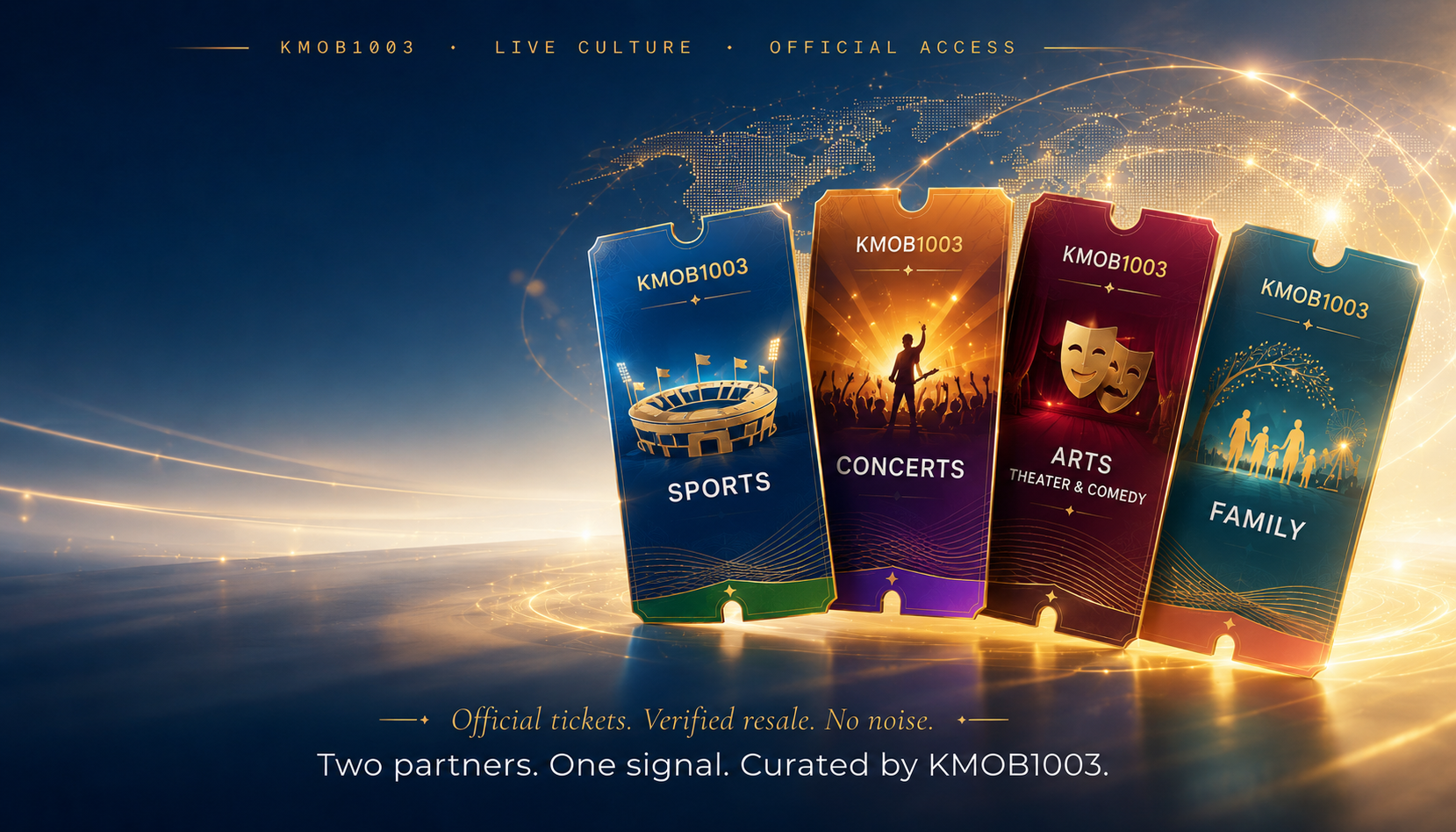
Ticket Desk
Find concerts, sports, theater and live events through KMOB1003 access to Ticketmaster and StubHub.
See What’s Happening Live →
KMOB1003 Collection
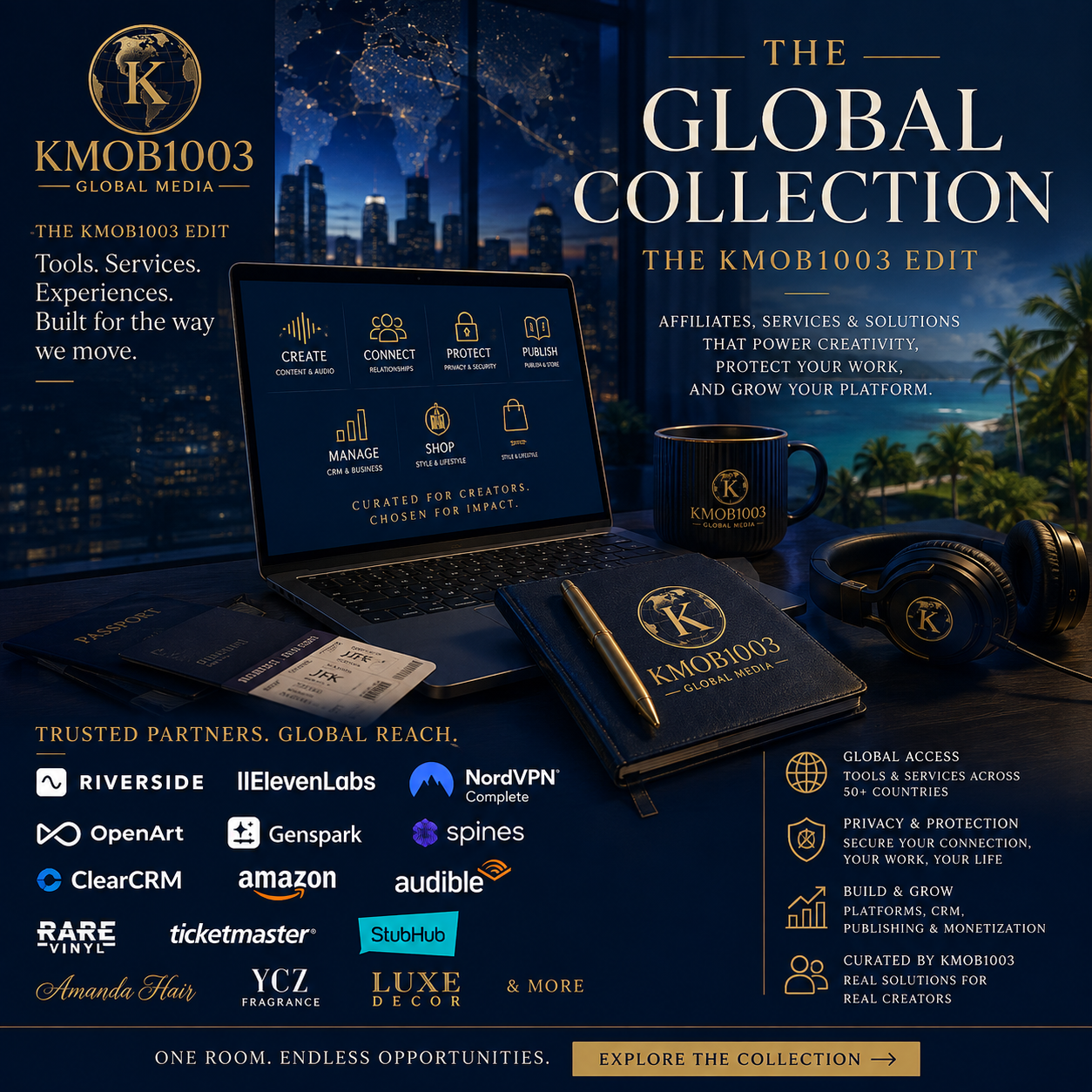
The Global Collection
Curated tools, services, experiences and global partners selected for the way creators and culture builders move.
Shop What We’re Curating →

KMOB1003 Culture Docent
Culture Docent
Not sure where to go next? Start here. Tell the Culture Docent what brought you into the room and choose from six doors.
Tell Us What You’re Looking For →
Global Reach. Powerful Stories. Lasting Impact.
What Happens Next
The draft is open for consultation, not law. The next real signal is whether the version introduced to Parliament keeps the opt-out as a genuine follows-only feed or narrows it into something closer to a second algorithm, and how the eSafety Commissioner scopes enforcement once that happens.
Either way, the underlying question outlasts this specific proposal: when personalized recommendations step back, who do you let choose instead?
More From Legacy & Insights
Creator & Institutional Infrastructure
Tools for Building Beyond a Single Feed
Creators can’t control the algorithm. What they can control is what they make, how they adapt it, where else it can travel, and how they protect the work while they’re making it.
OpenArt
Create the Visual Signal You Control
Original visual and video assets that stay useful to a creator even when a platform’s distribution rules change.
CapCut
Shape One Story for More Than One Feed
Edit and adapt a single piece of video into the presentations different channels actually reward, instead of depending on one format.
ElevenLabs
Carry the Story Into Voice and Language
Extend a written or visual idea into audio, narration or dubbed formats so it can be experienced beyond its original feed.
NordVPN
Protect the Connection Behind the Work
A privacy and connection-security layer for the research, uploading and account management that happens before anything reaches a feed.
Disclosure: KMOB1003 may earn a commission from qualifying purchases through these partner links. Editorial coverage is produced independently.
The Operator’s Bookshelf
KMOB1003 READS
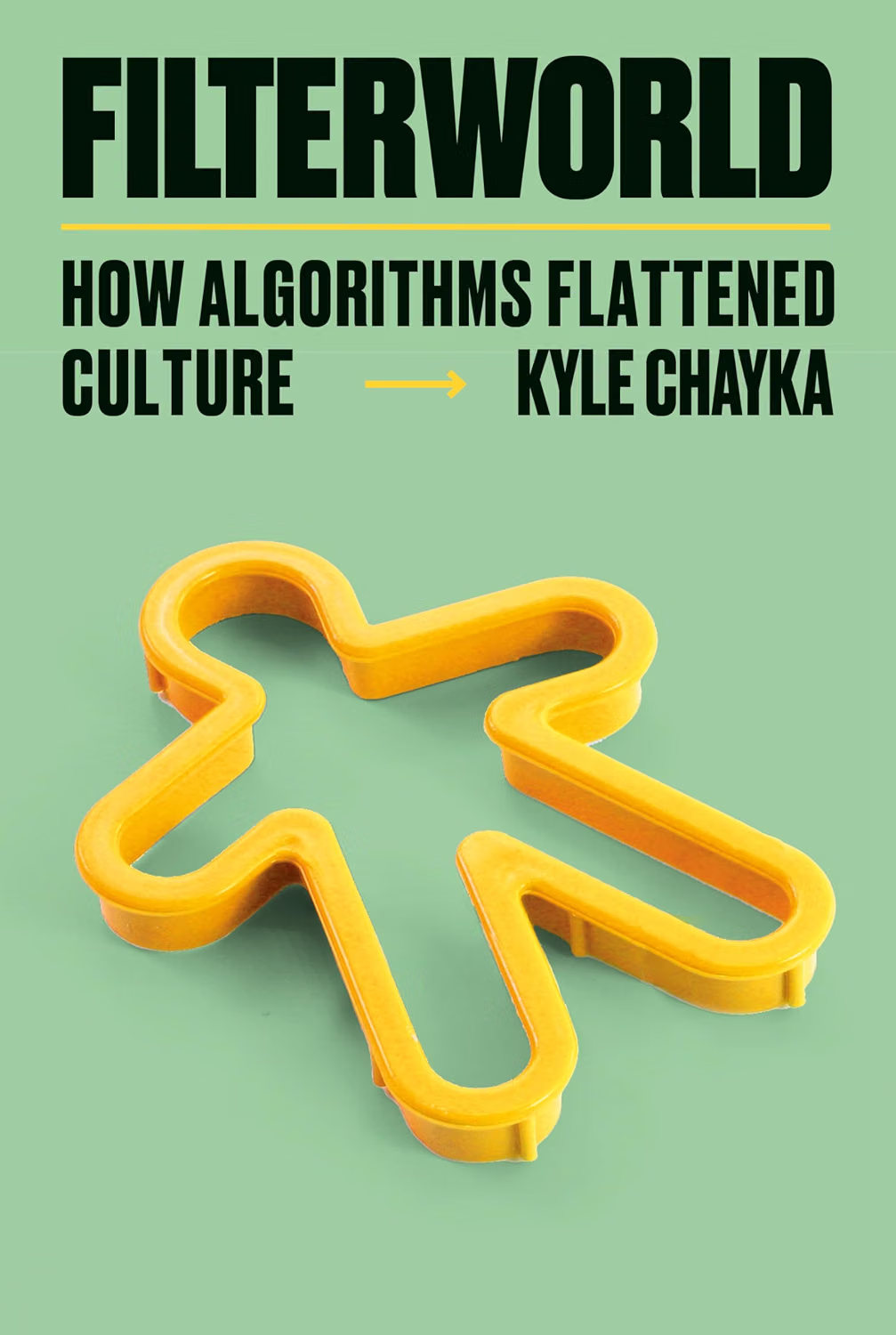
Filterworld: How Algorithms Flattened Culture
Kyle Chayka
Kyle Chayka examines how algorithmic recommendation shapes taste, discovery and culture when platforms influence what people encounter.
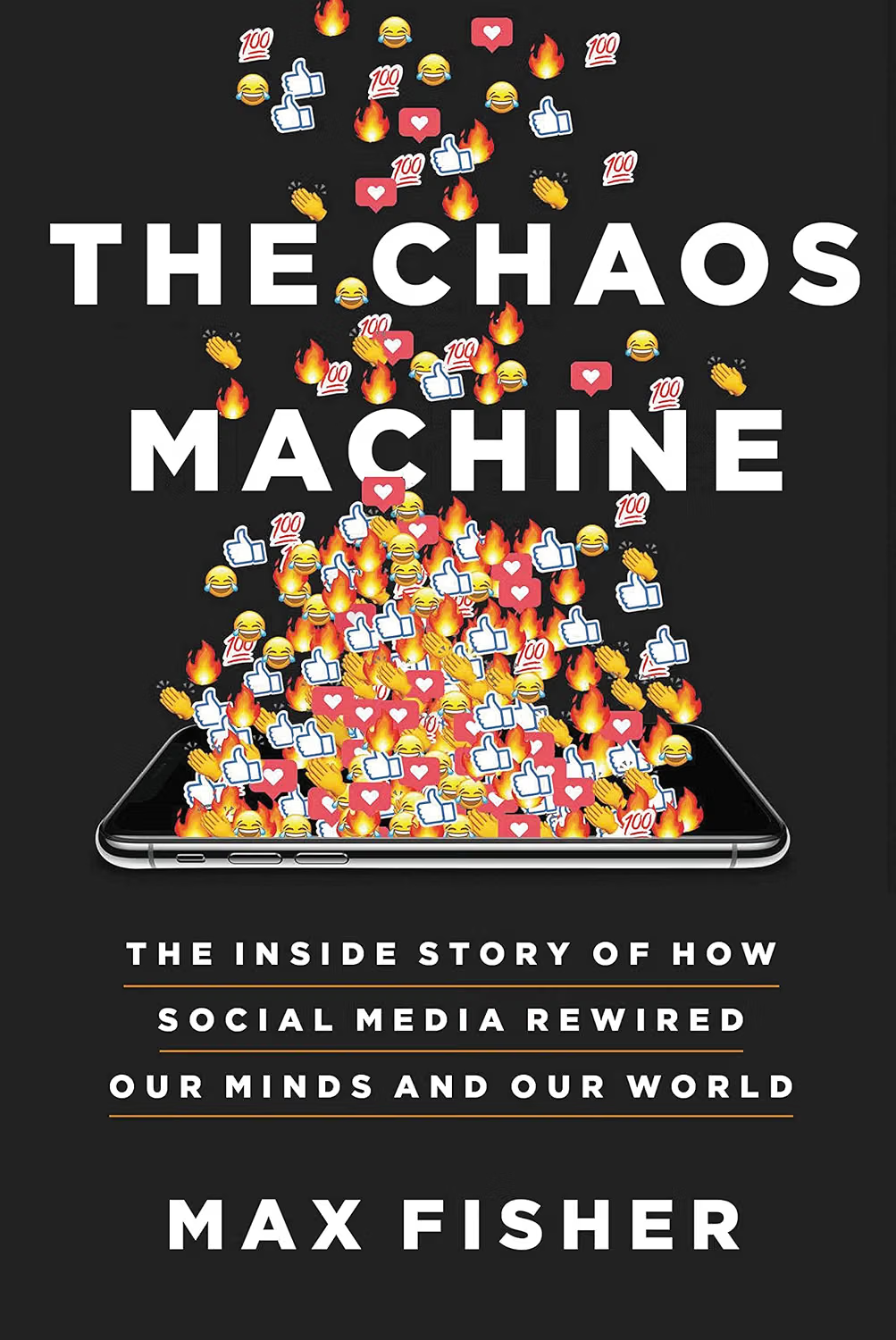
The Chaos Machine
Max Fisher
Max Fisher investigates how major social platforms and their recommendation systems can amplify outrage and reshape public life.
As an Amazon Associate, KMOB1003 may earn from qualifying purchases.
