
Technology · AI Literacy · Workforce · Operator Intelligence · Legacy & Insights · July 2026
The First Rung Is Moving
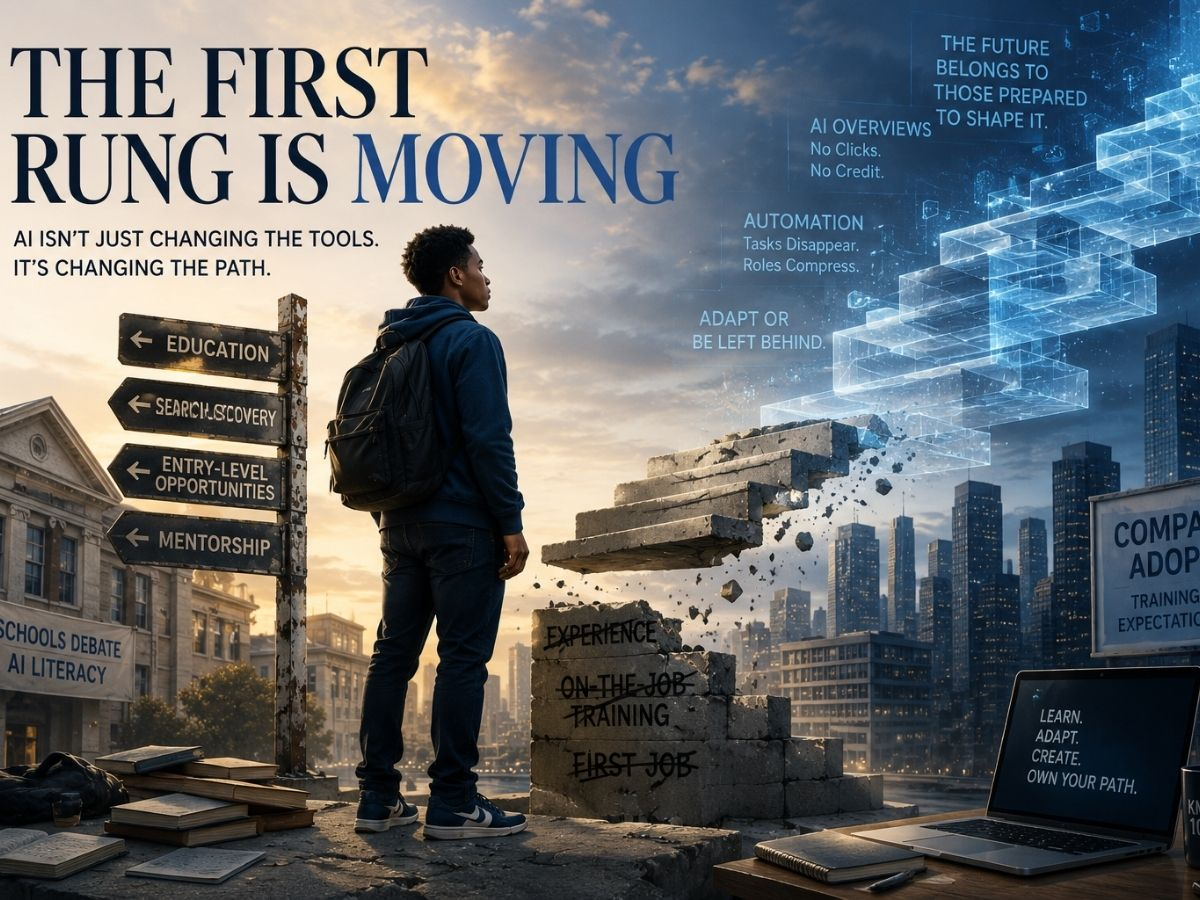
Schools are debating whether AI belongs in the classroom while companies are already rewriting the workplace around it. The people caught in between are being told to adapt without being properly prepared.
The first rung of the ladder used to have a quiet dignity. It was not glamorous. It was not always well paid. But it taught people how work worked. The entry-level job taught judgment before anyone called it leadership. The classroom taught research before anyone called it strategy. Search taught curiosity before anyone called it discovery. Now all three are being rewritten at once. Schools are still arguing over whether AI is a threat to learning. Platforms are turning search into answer engines. Executives are warning workers to evolve or be left behind. And a generation is walking toward a labor market where the first rung of the ladder is no longer guaranteed to be there. That is the real AI story. Not whether the machine can think. Whether people will still be given a fair way to learn.
AI is not only changing the work people do. It is changing the path by which people become ready to do meaningful work.
What This Article Is Actually About
This is not a technology story. It is a preparation story. The AI divide is not forming between humans and machines. It is forming between the institutions with access, training, and infrastructure — and the people waiting for a permission that is not arriving on any predictable schedule. This article examines the classroom, the search engine, the workplace, and the entry-level economy as one system being rewritten faster than the people inside it are being prepared to navigate.
Signal One
The preparation divide is already in the classroom
The U.S. Department of Education published AI literacy guidance in 2023. Most school districts have not caught up. Both groups of students will enter the same economy.
Signal Two
Google AI Overviews cut publisher clicks nearly in half
Pew Research tracked 68,000 real searches: users click 8% of the time when AI summaries appear, versus 15% without. Discovery is not a feature. It is infrastructure.
Signal Three
Entry-level job postings have fallen 29% since January 2024
WEF analysis of 126 million postings confirms the structural contraction in the entry-level market that used to build the formation AI cannot replace.
I. The Classroom Is Asking the Wrong Question
The debate in most schools is still framed around a question that does not lead anywhere useful. “Is AI cheating?” is a policy question, not an education question. In May 2023, the U.S. Department of Education’s Office of Educational Technology published its first formal guidance on AI in schools. The central argument was not whether to use the tool — it was how to keep humans in the loop while deploying it with intention. That guidance is still waiting for most district curricula to catch up.
The schools that have made the shift are asking something different: not whether AI is a threat, but what kind of thinker AI produces when taught well. A student using AI poorly outsources thinking. A student using AI well learns to question, compare, revise, and direct — at a level that used to take years to reach. The difference is not the tool. The difference is the training. The AI literacy divide is already forming: one institution teaching AI as judgment training, another treating an AI-assisted paragraph the same as a copied one. Both groups enter the same economy. One will be prepared for it.
II. Search Is Becoming a Gatekeeper Again
For a long time, search was a leveling force. An independent publisher in a mid-size city could rank alongside a legacy masthead if the content was strong enough. An emerging voice could be found. A niche archive could build an audience. The architecture of discovery rewarded effort and relevance without requiring institutional permission to compete.
That architecture is now contracting. When Google rolled out AI Overviews to all U.S. users in May 2024, publishers noticed what researchers confirmed: search behavior changed structurally. NPR reported on Pew Research Center analysis of 68,000 searches: users click 8% of the time when an AI summary appears, versus 15% without one. Global search traffic to publishers fell by a third through late 2025, per Reuters Institute data. For KMOB1003 this is not abstract — the question is who gets named, who earns the traffic, and who disappears into the answer. Institutions that own their subscriber lists and publish permanent archives through Spines are the ones less exposed to the next algorithm shift.
Discovery is not a feature. It is an economic mechanism. When it collapses into an answer, the revenue, the visibility, and the relationship collapse with it.
III. The Workplace Is Calling Adaptation a Virtue Before Building the Bridge
The language around AI in the corporate world follows a familiar pattern. Workers are told to evolve. To lean in. The framing is personal — individual responsibility for what is actually a structural transition. The World Economic Forum’s Future of Jobs Report 2025 — surveying over 1,000 employers representing 14 million workers — found that 39% of core job skills will change by 2030. Eighty-five percent of employers say they plan to offer reskilling. Sixty percent are actually investing in training programs today. The gap between the commitment and the delivery is where inequality quietly takes root.
A company that deploys AI without redesigning roles, updating onboarding, or building mentorship is not creating a future-ready workforce. It is creating a private selection event. The employees who already know how to use the tools will look capable. The ones who were never given access will look behind. This is what operators should be watching: not the technology announcement, but the training gap underneath it. Operators who document their processes and record key conversations — using tools like Riverside to capture thinking before it disappears — are treating preparation as infrastructure, not an event.
Evolution without training is not strategy. It is sorting. And sorting, once complete, is very difficult to appeal.
IV. Gen Z Is Not Lazy. Gen Z Is Entering a Rewritten Economy
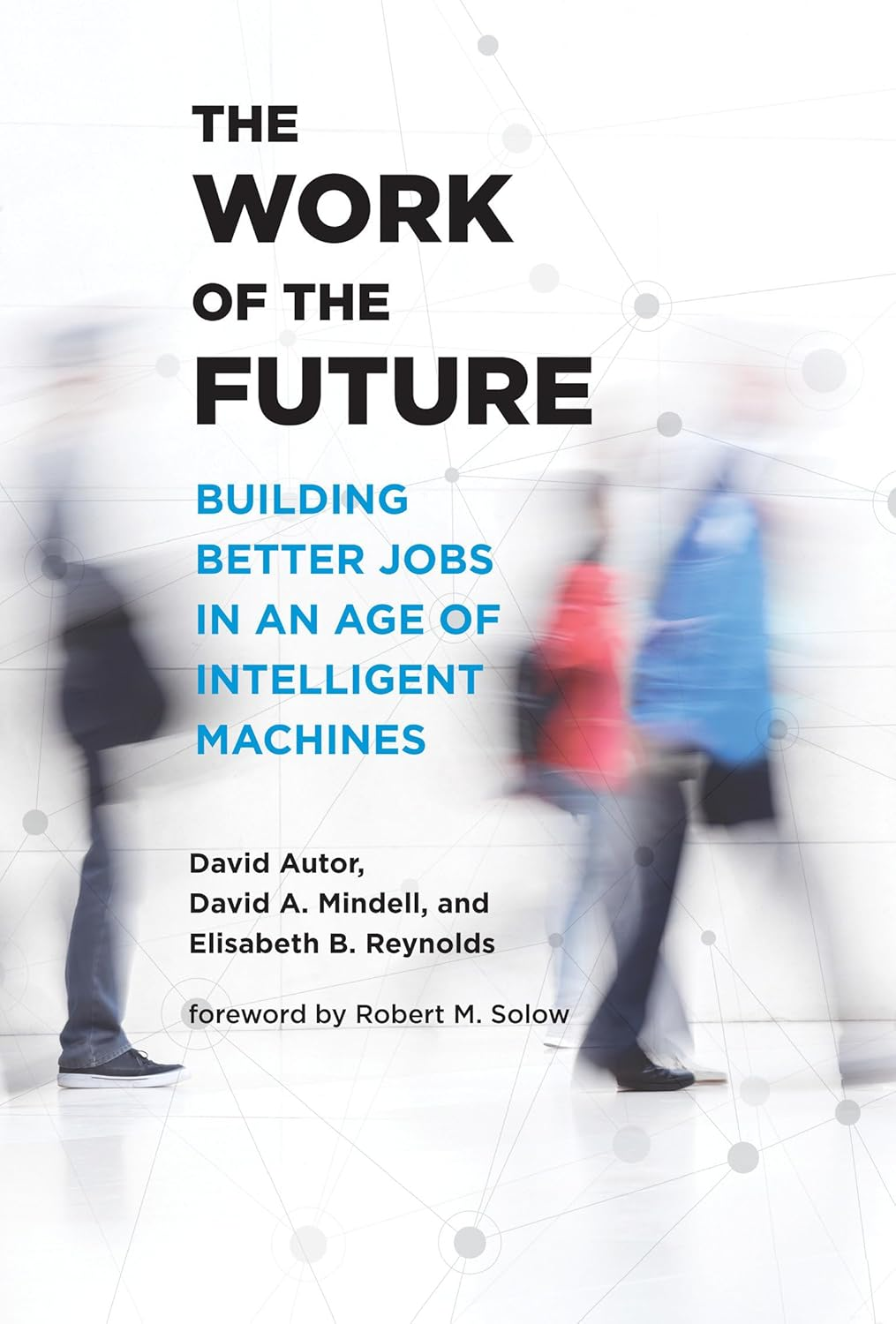
The criticism about young workers arrives on a reliable schedule. This generation does not want to work. Cannot handle structure. Will not commit. The commentary rarely asks what happened to the work that used to train them before it asked them to perform.
Entry-level jobs were never only labor. They were formation. They taught tone, timing, revision, client sense, and organizational memory. How to read a room. How to recover from a mistake in front of someone who needs to still trust you after. How to become useful before the institution is ready to call you important. The boring work — the repeated task, the formatted document, the watched process — was the curriculum. Nobody announced it as such, but it was how people learned what skills looked like in practice before anyone handed them a project of their own.
The numbers are beginning to reflect what many young workers have already felt. Entry-level job postings have fallen 29% since January 2024, according to analysis of 126 million postings worldwide — a contraction that looks increasingly structural. When AI removes that work without replacing the learning path it carried, the next generation does not simply lose tasks. They lose formation. Creators who document their thinking and build visible proof of process early — through content built with tools like CapCut — are assembling the portfolio that used to take two years of exposure to build.

V. The Window Is Still Open
This is not an argument against AI. The tools are real, the shift is structural, and neither is reversing on any timeline that matters right now. The question is whether the institutions responsible for preparation will build the bridge before they expect the people who need it most to have already crossed.
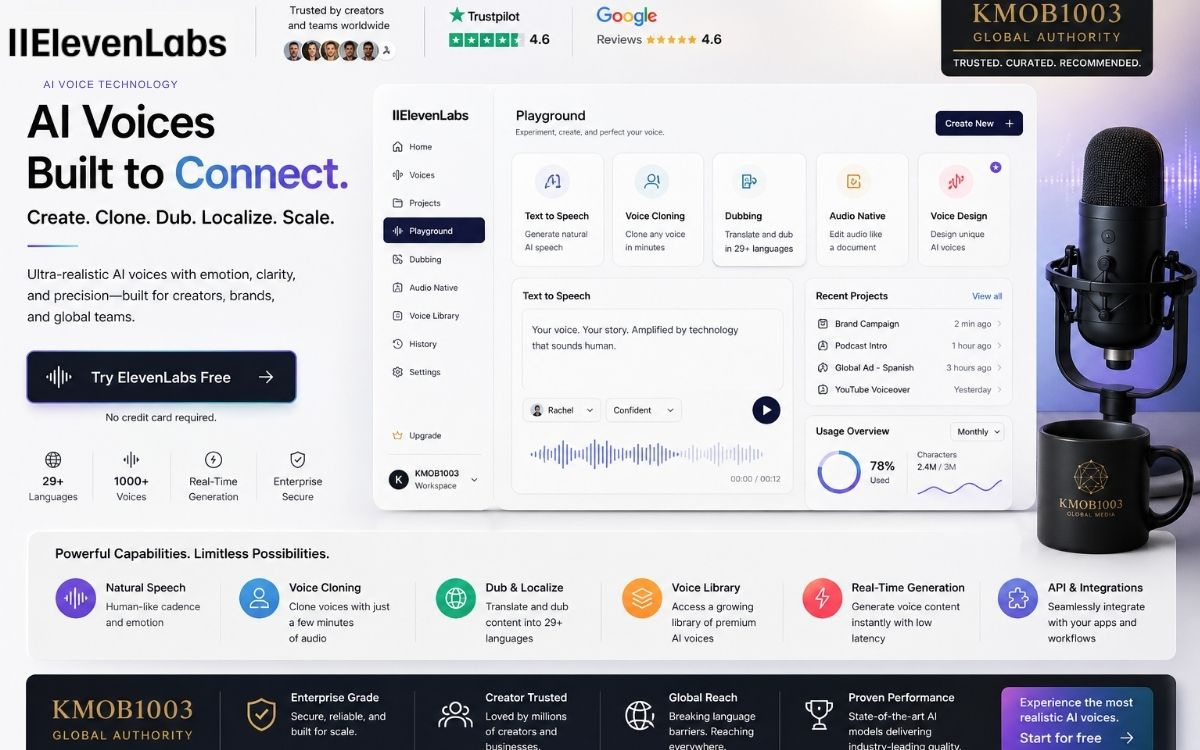
The classroom treating AI as a judgment discipline will produce students who think with the tools rather than being displaced by them. The company that redesigns its development path before deploying AI will build a workforce the next generation can actually enter. The publisher that owns its domain and subscriber list will remain visible when everything else is compressed into the aggregate. Founders building voice with tools like ElevenLabs are reaching audiences who read less and listen more, on their own terms.
The window is still open. It closes unevenly. The institutions that treat AI as a design challenge for preparation — not just a deployment decision — are already building the next rung. The first rung is moving. That is not only a warning. It is an invitation to the founders, operators, and institutions who understand the room is always built before the market knows it was needed.
The AI divide will not be between humans and machines. It will be between the prepared and everyone told that preparation was their own responsibility — and who believed it.
Signal Breakdown
The AI preparation gap is not a future event. It is forming now inside classrooms still deciding what AI literacy means, inside search engines that have already changed what gets found, and inside companies that deployed the tools faster than they redesigned the paths that lead to them. The institutions that treat this as a structural design challenge — not just a technology decision — are the ones building the infrastructure the next ten years will run on.
Disclosure: KMOB1003 may earn a commission from qualifying purchases through select partner links. Editorial coverage is produced independently.
KMOB1003 Intelligence Rail


KMOB1003 Global Media
Cultural infrastructure analysis. Operator intelligence. Human signal reporting.
