
LEGACY & INSIGHTS: BUSINESS & TECHNOLOGY
A Humanist at the University of Kentucky Won an Exemption From Using AI at Work
AI exemption at work is now something a humanist has won. David Durman, a University of Kentucky administrator, says using chatbots would conflict with his beliefs, and the American Humanist Association says it believes his is the first for a humanist.
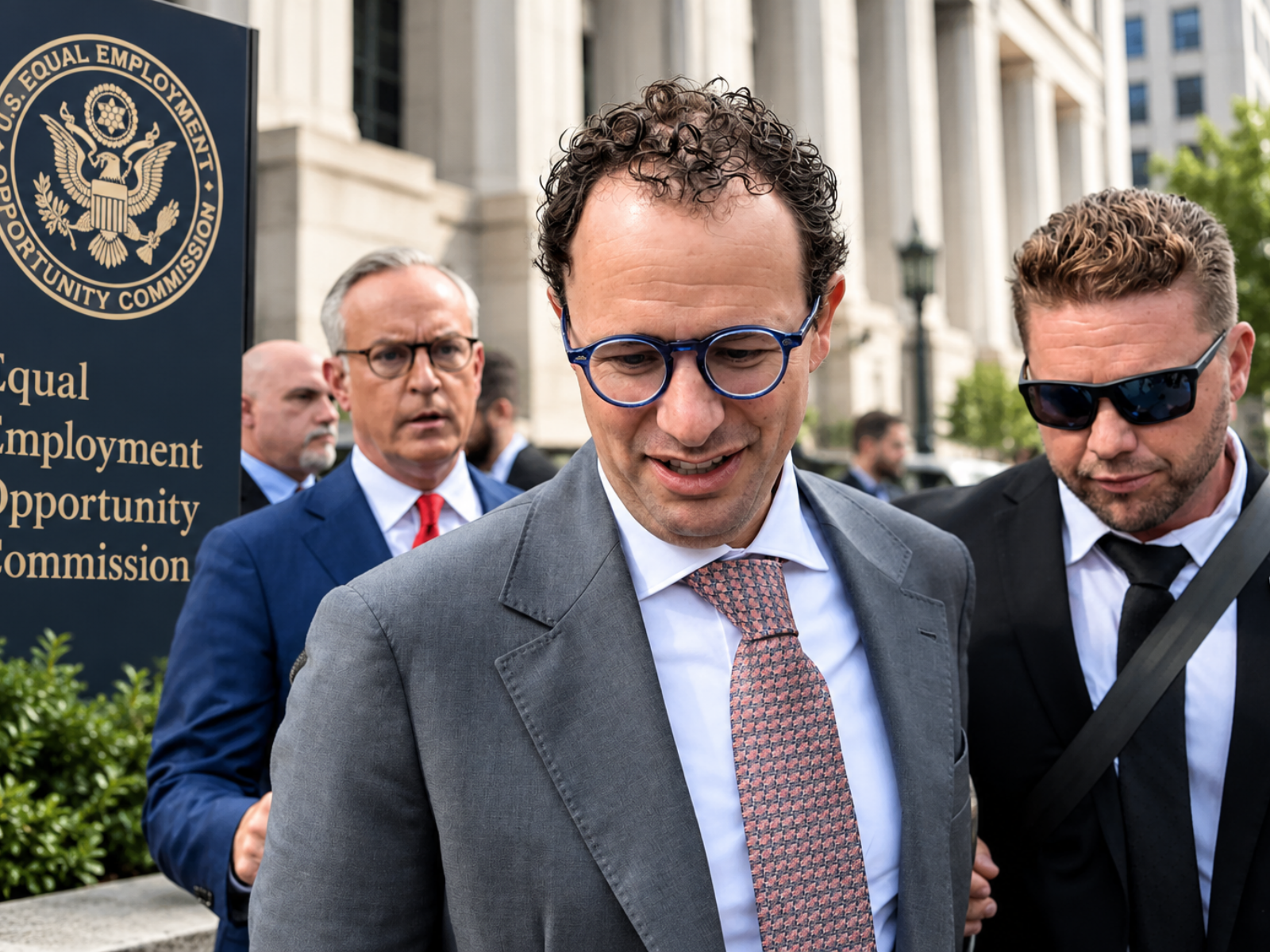
A University of Kentucky administrator has won an AI exemption at work on religious grounds. David Durman, a humanist, sought the accommodation with help from the American Humanist Association, and the university granted it in September, according to Religion News Service and Futurism.
Durman says handing his thinking to chatbots would undercut his ability to act as a moral person. The association says that, to its knowledge, he is the first humanist to receive an AI exemption.
The case rests on a legal point as much as a technology one. Humanism is not an organized religion, but Futurism reports that it counts as one under federal statutes, which lets a humanist seek the same accommodation as a member of a traditional faith.
What the AI Exemption at Kentucky Covers
Durman applied under Title VII of the Civil Rights Act, the federal law that bars workplace discrimination and lets employees seek accommodation for religious beliefs. The university approved the request in September, according to the reports. In his letter, dated Aug. 24, Durman describes a July 31 office meeting that promoted Microsoft Teams Copilot. Durman wrote to the university’s Office of Equal Opportunity that replacing human presence, listening and personal responsibility with automated processing conflicts with his obligation to uphold human dignity.
According to Religion News Service, the university’s Office of Equal Opportunity approved the request on Sept. 25. The exemption excuses Durman from personal use of AI to complete his own tasks, but he may still be expected to join meetings where others use AI tools. The association says the office found no undue burden. The reports do not say how long the exemption lasts. The University of Kentucky’s own statement is not part of the reporting we reviewed.

How Federal Law Treats a Religious AI Exemption
Title VII requires employers to reasonably accommodate an employee’s sincerely held religious beliefs unless doing so would cause undue hardship, according to an employment-law analysis in the National Law Review. The U.S. Supreme Court, in Groff v. DeJoy, held that an employer denying an accommodation must show a substantial burden, meaning a significant difficulty or expense.
The same analysis says a coworker’s or customer’s dislike of an accommodation is not enough to show hardship. It also advises employers that questioning whether a belief is sincerely held may create unnecessary liability.

This AI Exemption Follows an Earlier Case
Durman is not the first American to get one. This summer, Erin Maus, a software engineer in North Carolina and a Unitarian Universalist, was also granted a religious exemption from using AI at work. She cited ethical and environmental concerns, according to Futurism.
Religious leaders are also working through what AI means for their faith. Futurism notes that Pope Leo has taken a stance against AI.
Two cases are not a trend. They do show that the argument is being made, and accepted, by people from different traditions.
What an AI Exemption Could Mean for Employers
At least one employment-law analysis has taken up the question. The National Law Review says possible requests include exemption from AI tasks, use of manual methods or exclusion from AI-usage performance metrics. It notes that such exemptions could increase coworkers’ workloads, and it advises employers to review accommodation policies, job descriptions and performance evaluations in light of increased AI use.
It also advises applying decisions consistently and documenting any legitimate business reason for a denial. The analysis does not say how employers should resolve those requests.
FROM KMOB1003

What Is Not Known About the AI Exemption
The reports leave several questions open. They do not say how many employees have asked for similar exemptions, or how many employers have granted or refused them. The association’s statement that Durman’s is the first for a humanist reflects its own knowledge, not a count. And no reporting we reviewed says whether the university changed Durman’s duties to make the exemption work.
Nor do the reports say whether an employer could reasonably require AI use for a specific job. That would depend on the job’s duties and the burden the accommodation creates, factors the National Law Review analysis lists.
What Happens Next With the AI Exemption
The next developments to check are whether the University of Kentucky or the association says more about the terms, and whether other employees file similar requests. Any employer weighing one will face the standard the Supreme Court set in Groff, which requires employers to show a substantial burden before they deny a request.
For now, the documented facts are narrow: one humanist, one university and one exemption granted in September.
AI Exemption Signal Breakdown
Not every claim about this AI exemption carries the same weight.
Reported by Religion News Service and Futurism
- Exemption. The University of Kentucky granted David Durman a religious exemption from using AI at work in September.
- Basis. Durman is a humanist and applied under Title VII with help from the American Humanist Association.
- First. The association says that, to its knowledge, it is the first such exemption for a humanist.
- Terms. The approval is dated Sept. 25. He is excused from personal AI use for his own tasks but may still be expected to join meetings where others use AI.
- Earlier case. Erin Maus, a Unitarian Universalist software engineer in North Carolina, received a similar exemption this summer.
Legal Context From the National Law Review
- Standard. Employers must accommodate sincerely held religious beliefs unless doing so causes undue hardship.
- Hardship. Groff v. DeJoy requires a substantial burden, meaning a significant difficulty or expense.
- Workload. Such exemptions could increase coworkers’ workloads.
Not Established About the AI Exemption
- how long the exemption lasts
- how many other employees have asked for similar exemptions
- the University of Kentucky’s own account of its decision
- whether an employer could require AI use for a particular job
Sourcing: facts about the exemption come from Religion News Service’s October 26, 2026 report as relayed by Futurism, and from Futurism’s October 30 report. Legal context comes from the National Law Review. We did not review the university’s decision or Durman’s letter.
AI EXEMPTION / KEY FACTS
RADAR / WHAT TO WATCH

KMOB1003 SELECTS
Music, style, tools, art and objects worth your attention.