
Music · AI · Artist Rights · Platform Power · Tuesday AM · July 2026
They Sued Over the Music. Then They Licensed It Anyway.
The major labels did not stop AI from using artists. They negotiated their own position inside the machine.
Something happened inside the major-label AI music fight that most coverage did not fully explain. The lawsuit was real. The infringement was documented. The outrage was warranted. But between October 2025 and May 2026, the same companies that filed suit began signing strategic licensing deals with the platforms they had sued. The major-label system moved from courtroom confrontation into licensed AI infrastructure. The artists are still waiting to learn what that means for the recordings that made those catalogs worth licensing. In at least one case, they are no longer waiting — they are suing.
The labels did not protect artists from AI. They protected their own position inside AI.
What This Article Is Actually About
KMOB1003 is reading the structure behind the headline. The major-label AI music fight was not simply about stopping infringement — it was a negotiation over who controls the licensing table when the recorded music economy moves to AI infrastructure. This article traces the pivot from lawsuit to settlement to licensed AI product, and asks who was still outside the room when the terms were set.
Signal One
The Lawsuit
UMG, Sony, and Warner sued Suno and Udio for alleged mass copyright infringement. The argument was clear: AI companies used protected recordings without permission or compensation.
Signal Two
The Settlement
Between October and November 2025, UMG and Warner settled with Udio and Suno — moving from litigation to strategic licensing partnerships with the same companies they had sued.
Signal Three
The Artist
In June 2026, the American Federation of Musicians sued UMG and Warner, alleging member recordings were licensed to Suno and Udio without compensation or credit to the musicians who made them.

I. The Lawsuit Was Never the Whole Story
In 2024, Universal Music Group, Warner Music Group, and Sony Music coordinated through the RIAA to sue Suno and Udio for alleged mass copyright infringement. These platforms had ingested protected recordings without permission, compensation, or consent, and used them to train systems capable of generating commercially viable music on demand. That argument was correct. The lawsuit named real harm. But the story that followed is worth reading closely, because what came next was not what the artist community was led to believe the lawsuit was for.
A lawsuit is pressure. Pressure creates negotiation. Negotiation produces terms. In October 2025, Universal Music Group announced a settlement with Udio and a strategic agreement for a new licensed AI music creation platform. A month later, Warner settled with Udio and Suno. Then KLAY Vision announced licensing agreements with all three major labels simultaneously — the first AI music company to achieve that milestone.
Just over a year from lawsuit to licensing deal. The machine did not stop. It got a seat at the table.
KMOB1003 Framework
The Music Rights Drift
01
The Recording
Human performance becomes the source.
02
The Lawsuit
Infringement is named. Litigation begins.
03
The Settlement
Licensing replaces refusal.
04
The Platform
AI remix becomes a paid product.
05
The Artist
Credit and compensation remain contested.
The machine did not invent the song. It inherited the room.
II. The Settlement Became the Business Model
The KLAY deal makes the logic visible. KLAY’s large music model was trained only on licensed material. Its leadership includes executives from Sony, Google DeepMind, and Spotify. Its product is a subscription service where users remake and remix songs in different styles, with all three major label groups signed on. This is not a tentative pilot. This is the industry saying: we know what the machine can do, and we intend to profit from it on our terms.
Music-Ally’s analysis of UMG and Warner’s investor filings shows AI evolving from “a distant technological concept” to “a core commercial strategy” across just three annual reporting cycles. The companies that once called AI music an existential threat now describe it as infrastructure — and are building revenue models around it. This is not hypocrisy. This is capital behaving precisely the way capital does: it fights to set the terms, then it monetizes them.
III. The Artist Was Still Outside the Room
In June 2026, the American Federation of Musicians filed suit against Universal Music Group and Warner Music Group, alleging that member recordings were licensed to Suno and Udio without compensation or credit to the musicians who made them. The musicians whose performances gave those recordings legal and commercial value — whose voices, instruments, and studio sessions built the catalog — allege they were not consulted, not compensated, and not credited in the licensing agreements.
The artist made the sound. The label made the deal. The machine made the copy. Now the musician is asking where the credit went.
This is the music industry’s foundational tension — who creates the value versus who controls the terms of its distribution — applied to a new technology at a scale that makes the gap harder to ignore. It is the same pattern that drove the recording industry’s first major power consolidation, and it is repeating now with a new name. Protect your creative data and your connection with NordVPN before the platform decides what belongs to it.
IV. The Flood Is Already Here
The volume question is no longer theoretical. Deezer reported in September 2025 that roughly 28 percent of all music delivered to the platform was fully AI-generated. By April 2026, that figure had risen to nearly 44 percent of new uploaded music daily. A Deezer study with Ipsos found the vast majority of listeners could not reliably distinguish AI-generated music from human-made music. Platforms have adopted tiered disclosure systems, AI content tags, and spam filters that removed tens of millions of tracks in the prior year. But disclosure is not compensation, and detection is not a rights framework. The conversation the licensing deals need to answer is not whether AI music will continue arriving. It will. The question is who gets paid for what it learned.
Creator Infrastructure
The Artist’s Proof Stack
While the licensing table moves, independent artists can build infrastructure that keeps the signal theirs.
Record Before the Story Gets Rewritten
Riverside
Interviews, sessions, conversations — broadcast quality, owned by you.
Own the Archive Before the Platform Rewrites the Terms
Spines
Books, long-form IP, and a permanent body of record that belongs to the artist.
Protect the Connection
NordVPN
Creator privacy, account protection, and data boundaries on every network.
V. The Paywall Is Not Protection
On May 21, 2026, Spotify and Universal Music Group announced agreements allowing Premium subscribers to use generative AI to create covers and remixes of participating UMG artists’ songs — as a paid add-on. The announcement used the phrase “consent, credit, and compensation” to describe the framework. That phrase is doing considerable work. Artists who opt in going forward will receive a revenue share. What the phrase does not answer is what happens to the recordings that already trained the models — before the opt-in framework existed, before the lawsuits settled, before any licensing table was set.
Consent that begins after the use is not consent. Credit that arrives after the machine has already learned is not credit. The conversation about compensation for past use is still in progress — and some of it is now in court.
VI. The Signal Belongs to the Singer
KMOB1003 is a platform built around human signal — artist visibility, cultural infrastructure, and the belief that the work behind the sound is not separable from the sound itself. Artist Services exists because independent artists need more than a streaming upload. They need pathways: rotation, placement, campaign support, relationships, and the kind of institutional presence that does not evaporate when a platform changes its algorithm or a label renegotiates its terms.
The rooms where this signal lives — the sessions, the performances, the recordings — cannot be licensed retroactively. The AI learned from what human artists made. But it cannot learn what made them make it: the community, the loss, the memory, the need. Those things can only be inherited by listeners who trust the person making the music. Find where that signal gathers through Ticket Desk Live. Explore the Voice Gallery for the archive of human signal. Read the full intelligence room in Legacy & Insights.
The machine did not invent the song. It inherited the room. The question for every artist, label, publisher, and platform in 2026 is simple: who built that room, who owned it, and who got paid when the machine moved in.
Signal Breakdown
The major labels did not protect artists from AI. They protected their own position inside the AI economy. The AFM lawsuit is not a disruption — it is the logical next step in a pattern that has repeated in every major technological disruption of the music industry: the intermediary moves first, the artist asks questions second. The difference this time is that the model has already been trained. The memory is already inside the machine.
The Artist Rights Shelf
KMOB1003 READS
Some books help us see the machine before it finishes naming itself. These belong beside this article because they explain what happens when creative work becomes inventory inside someone else’s system — and what artists, operators, and independent creators can do about it.
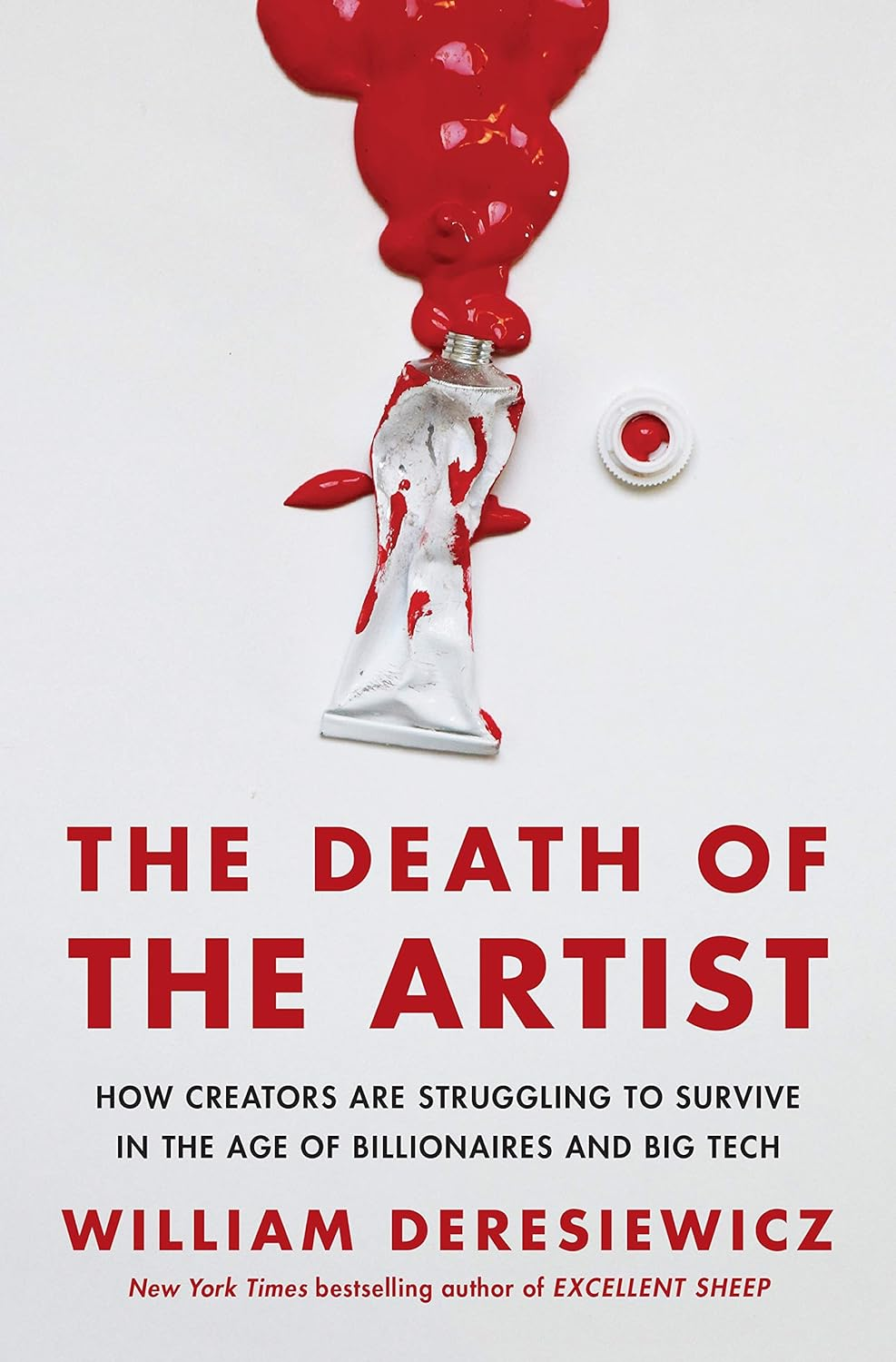
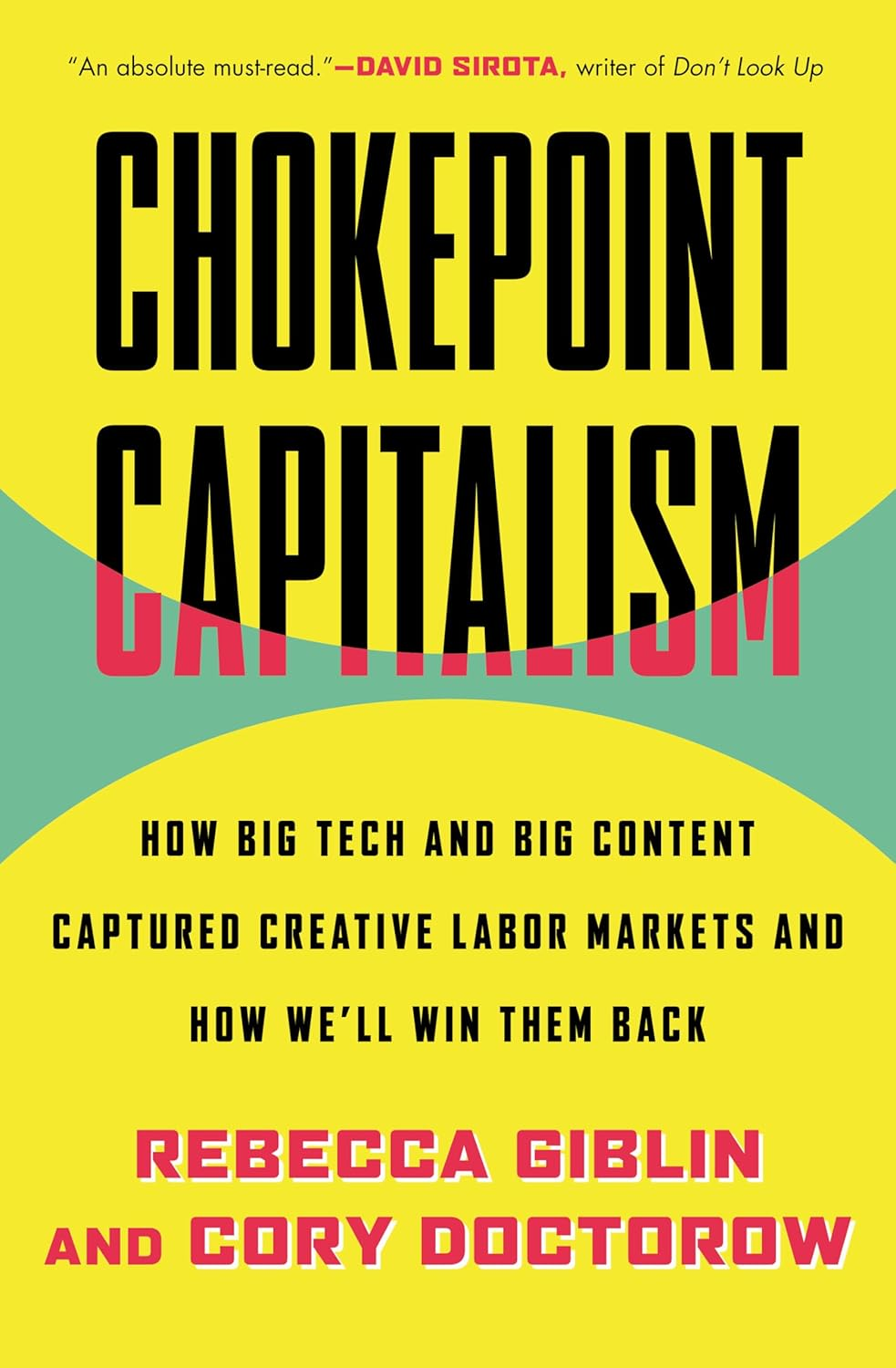
KMOB1003 may earn a commission from qualifying Amazon purchases.
Disclosure: KMOB1003 may earn a commission from qualifying purchases through select partner links. Editorial coverage is produced independently.
KMOB1003 After the Article
The Artist’s Room
You read the argument. Now enter the infrastructure: the services, the signal, the live rooms, and the archive that protects the work.
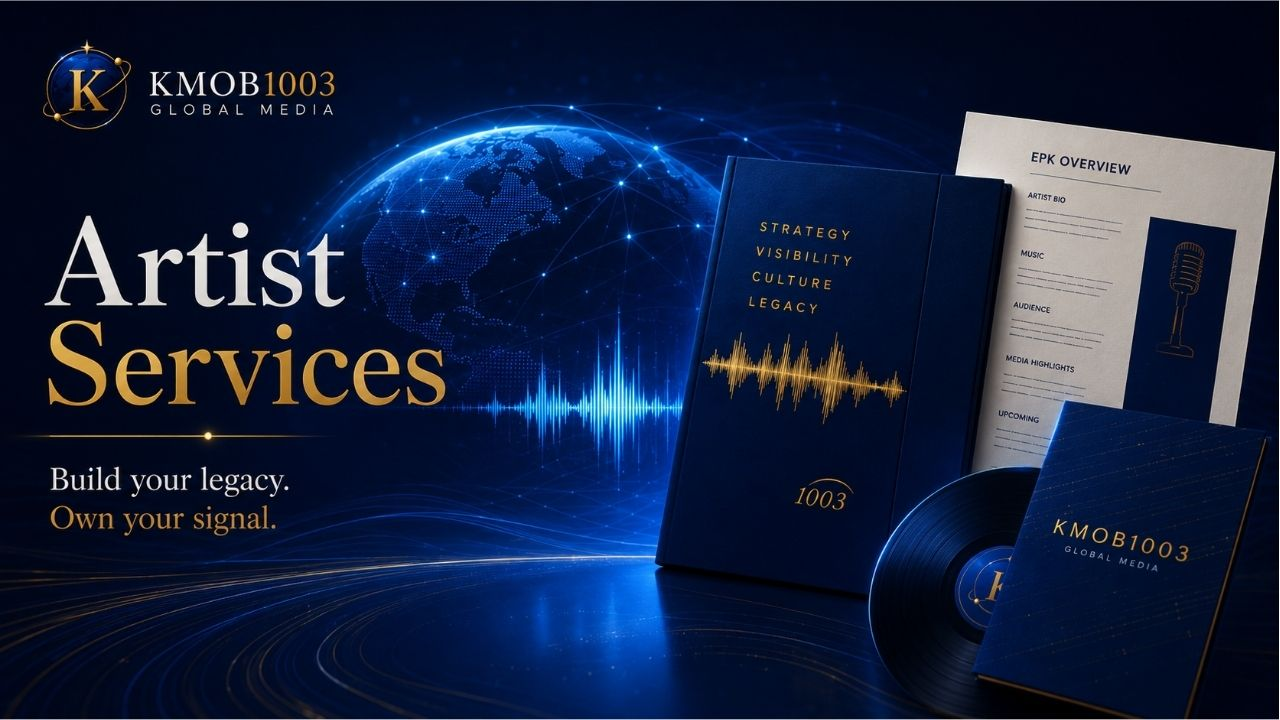
Build the Signal
Artist Services
For artists ready to turn talent into structure: visibility, rotation, placement, campaign support, and the infrastructure the label deal did not include.
Build the Infrastructure →

Hear the Proof
The Voice Gallery
The human signal lives in breath, witness, and the rooms where language still carries consequence. What the machine cannot train on: the life behind the voice.
Enter the Voice Gallery →
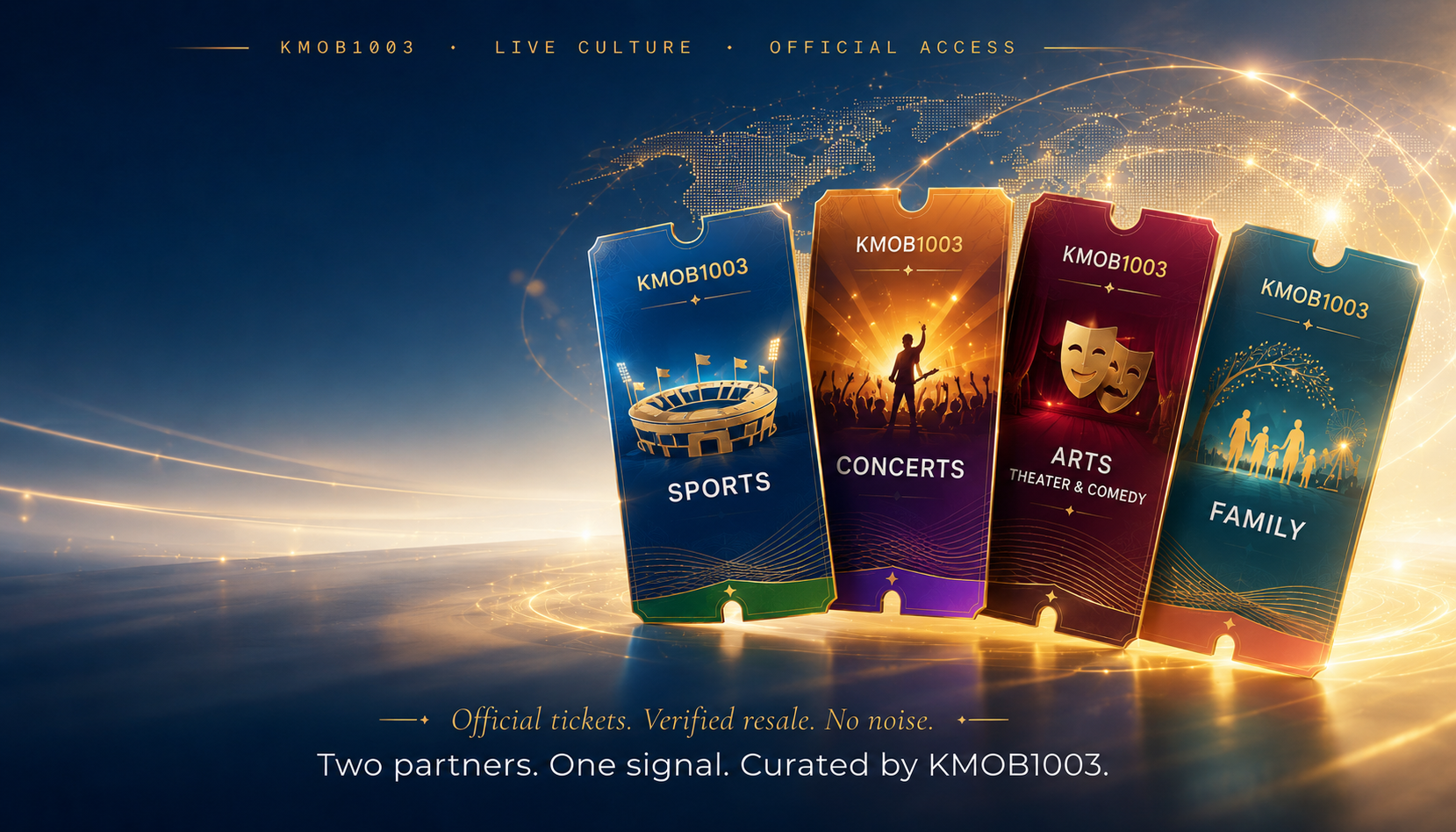
Feel the Signal
Ticket Desk Live
The feed can show you the signal. The room lets you feel it. The human performance economy is still running — find the stages worth showing up for.
Find the Room →
Publish the Archive
Spines
If the platform can borrow the memory, the artist needs a body of record. Own it before the licensing table reaches it.
Publish the Archive →
Affiliate partner. KMOB1003 may earn a commission.
Global Reach. Powerful Stories. Lasting Impact.
KMOB1003 Global Media
Cultural infrastructure analysis. Operator intelligence. Human signal reporting.
