
KMOB1003 Global | The Signal
Moving Past AI Hype Into Real-World Impact
The conversation about AI in 2026 is almost entirely focused on the wrong thing. The risk is not what AI can do. The real question is what you stop being able to do when AI does it for you.
In 2026, 88% of organizations are using AI in at least one business function. The adoption is real. The productivity gains in specific applications are real. What is also real — and almost entirely absent from the mainstream conversation — is what happens to judgment, capability, and creative thinking when you systematically outsource them to a system that cannot be held accountable for the outcome.
Most of the conversation about artificial intelligence right now is about tools. Which model is fastest. Which platform generates the best content. Which workflow saves the most hours. Those are valid operational questions. But they are not the strategic question. The strategic question is what kind of operator you become as a result of how you use those tools.
“The erosion happens quietly. First you stop doing the thing because the tool does it faster. Then you stop knowing how to do the thing. Then you stop knowing that you’ve forgotten.”
I.
The Difference Between a Tool and a Dependency
A tool extends your capability. A dependency replaces it. The distinction sounds obvious but it is almost never applied in practice — because the early stages of dependency feel identical to the early stages of a productive tool relationship. You use it, it works, you use it more. The capability erosion is not visible in the short term. It becomes visible when the tool is unavailable, when it produces an error, or when you need to verify the output and discover you no longer have the judgment to do so reliably.
Security researchers have documented this clearly in software development — AI coding tools produce faster output, but developers who rely on them heavily lose the critical problem-solving skills required to identify root causes of issues or spot vulnerabilities the AI misses. The tool performs well in standard conditions. The dependency becomes a liability in the conditions that actually determine outcomes.
“Blind trust in AI carries real risk. The mere knowledge that advice was generated by AI causes people to overrely on it — even when it contradicts available evidence.”
— ScienceDirect Research on AI Overreliance · 2026
II.
What the Dependency Risk Actually Looks Like
The dependency risk does not announce itself. It arrives gradually, embedded in decisions that each look reasonable in isolation. An operator who uses AI to draft content stops developing their editorial voice. A leader who uses AI to summarize information stops reading deeply. A creator who uses AI to generate ideas stops trusting their own instincts. Each individual decision to use the tool is rational. The aggregate effect is a capability gap that becomes visible only when the stakes are highest.
In the creative economy the dependency risk has a specific texture. AI can generate text, music, designs, and research insights at impressive speed. What it cannot generate is the particular perspective that comes from a specific person’s specific experience of the world. When creators use AI to generate rather than extend — when the AI produces the creative work rather than accelerating the creator’s own production — what is being sacrificed is not efficiency. It is the irreplaceable differentiation that made the creator worth paying attention to in the first place.
Operator Intelligence · KMOB1003 Institutional Tools
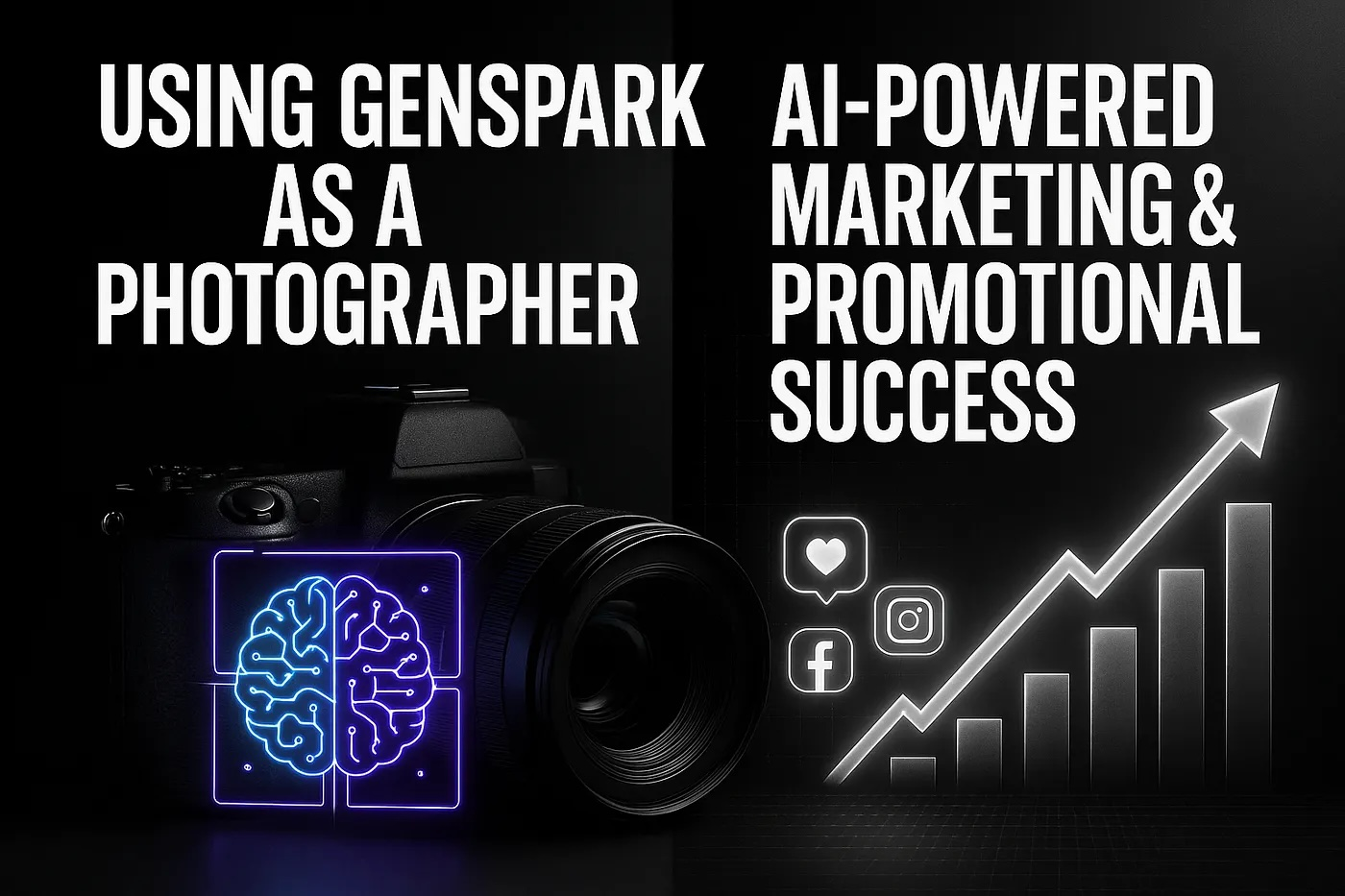
The operators who use AI correctly deploy it to extend their thinking — not replace it. Genspark is the intelligence infrastructure that gives you better information faster so your judgment can operate at its highest level. Not a substitute for judgment. Fuel for it.
KMOB1003 may earn a commission from qualifying purchases.
III.
The Operators Getting This Right
The operators using AI correctly in 2026 share one specific characteristic — they have a clear internal standard against which they evaluate AI output. They are not using AI to generate their judgment. They are using AI to accelerate the execution of judgment they have already formed. The distinction between generating and executing is the difference between tool use and dependency.
KMOB1003 uses AI across multiple functions — research, writing, affiliate strategy, technical documentation. The editorial voice, the cultural authority, the strategic positioning, the brand identity — those are not AI outputs. They are the judgment layer that makes the AI outputs worth anything. Without the judgment layer, AI produces competent generic content. The judgment layer is what makes it KMOB1003 content. That distinction cannot be automated. It cannot be outsourced. And it cannot be recovered easily once it has been allowed to atrophy.
AI is not the risk. What you stop being able to do when AI does it for you — that is the risk.
KMOB1003 | Strategic Publishing Partner
Your perspective cannot be generated. Only you can publish it.
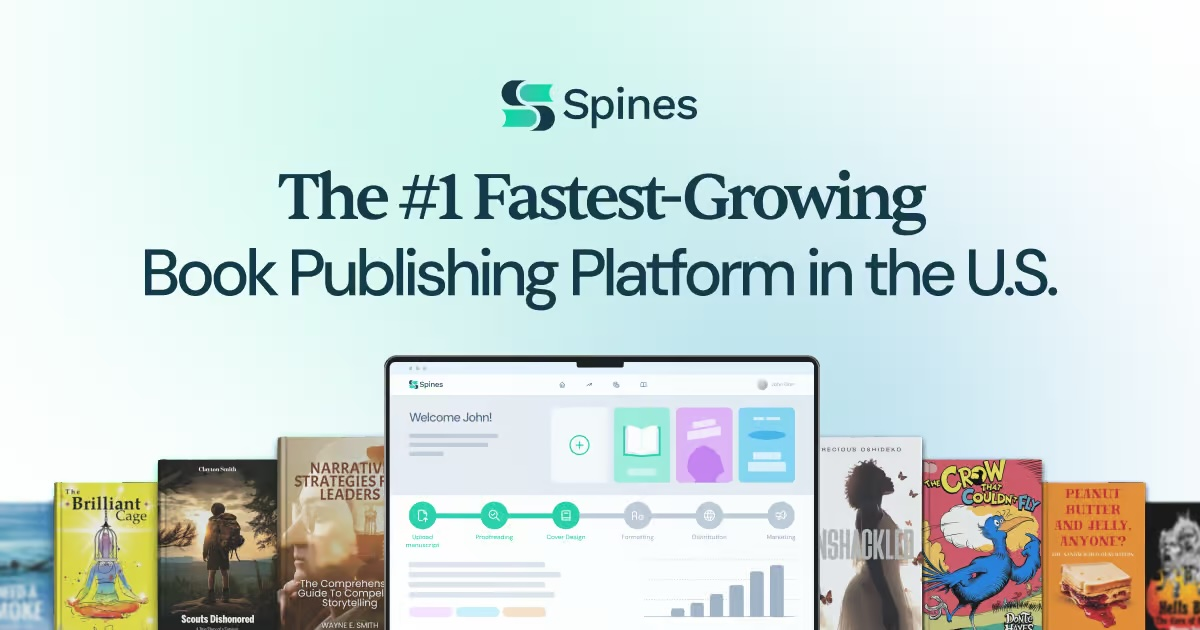
The operators who maintain their judgment layer — who keep thinking, writing, and building from their own perspective — are the ones whose work compounds. Spines gives you the infrastructure to make that work permanent and globally distributed.
IV.
How to Use AI Without Becoming Dependent On It
The answer is not to avoid AI. That conclusion is both wrong and unavailable — the competitive environment requires AI fluency for any operator serious about working at scale in 2026. The answer is to be precise about what AI is doing in your operation and what it is not doing — and to protect the latter category with the same intentionality you bring to the former.
AI should accelerate execution of decisions you have already made — research, drafting, formatting, scheduling, distribution. It should not be making the decisions. It should not be forming the opinions. It should not be developing the relationships or building the cultural authority. Those are the functions that compound over time and cannot be recovered quickly once they have been outsourced.
The framework is simple in principle and difficult in practice. For every AI-assisted task in your operation, ask one question — is this AI extending my capability or replacing it? If the AI is doing something faster that you could do, that is a tool. If the AI is doing something that you no longer practice doing yourself, that is a dependency. The distinction is the entire game.
V.
The Real Competitive Advantage in 2026
When every operator has access to the same AI tools — and in 2026, they largely do — the competitive advantage is no longer the tool. The competitive advantage is the judgment that governs the tool. The cultural authority that makes the output meaningful. The perspective that makes the content irreplaceable. None of those things can be generated. All of them can be eroded by a dependency that was never designed or acknowledged.
The operators who will be in the strongest position two years from now are not the ones who adopted AI earliest. They are the ones who adopted AI with the clearest understanding of what it was for — and protected with equal intentionality the human capabilities that make the AI outputs worth anything. In a world where the tools are increasingly uniform, the judgment layer is the only thing that actually differentiates. Guard it accordingly.
KMOB1003 | Creator Infrastructure
Your voice is the one thing AI cannot replicate.
ElevenLabs gives you the infrastructure to extend your voice — not replace it. The distinction is everything in 2026.
KMOB1003 Global Signal
Applied intelligence is not about what the tool can do. It is about what you build when the tool extends your judgment — and what you protect so the judgment is still worth extending.
Where Legends Break and Underdogs Rise.
The Signal | Related Reading
The Operator’s Filter: Opportunity vs. Funnel in 60 Seconds
The same discipline that governs AI use governs every conversation you have. Five questions. Applied before the room decides for you.
