
Music · Legacy · Reconciliation · Operator Intelligence · July 2026
Three Nights at Yankee Stadium Became Jay-Z’s Argument for His Own Legacy
Jay-Z brought family, former rivals, collaborators, commercial criticism, and three decades of music into one stadium. What emerged was not merely a retrospective. It was a public argument about what legacy can hold—and what leaders must release to build beyond the past.
Most legacy celebrations are engineered to make the record look cleaner than it actually was. The uncomfortable rivalries get left off the guest list. The unresolved criticism gets left out of the remarks. Jay-Z’s three nights at Yankee Stadium refused that convention entirely. Family, a former rival, unresolved commercial controversy, and three decades of catalog were not kept outside the gates. They became part of the argument, and the argument is the reason the weekend still matters now that the clips have finished circulating.
Jay-Z did not erase an old rival from his legacy. He made reconciliation part of it.
What This Article Is Actually About
This is not a set-list recap. The performances happened days ago and the guest names are already public. KMOB1003 is reading what Jay-Z built by placing family, a former rival, and unresolved commercial criticism inside the same three nights — and what that construction teaches operators about relationship intelligence, legacy, and the discipline required to build beyond an old conflict.
Signal One
The Scale
Three nights placed Reasonable Doubt, The Blueprint, and the larger catalog inside one institutional stage. Pitchfork reported the second night broke Yankee Stadium’s ticket-sales record.
Signal Two
The Relationships
Family, collaborators, and a former rival appeared across the residency. Pitchfork’s rundown of the full guest list includes Beyoncé, Blue Ivy, and Nas.
Signal Three
The Contradiction
Jay-Z addressed Target-boycott criticism in a freestyle rather than excluding it from the celebration. Complex covered the freestyle.
I. Three Nights, One Public Argument
The residency was built around three anchors: the thirtieth anniversary of Reasonable Doubt, the twenty-fifth anniversary of The Blueprint, and a closing “Extra Innings” catalog show pulling from the full body of work. The second night broke Yankee Stadium’s ticket-sales record, a commercial fact large enough to carry the entire weekend on its own. It did not need to. The production itself was reportedly understated, with no arena-scale spectacle competing for attention and no visual excess standing between the audience and the catalog. That restraint was a creative decision, and it mattered. The final night was delayed after a security breach outside the stadium; Jay-Z eventually began after midnight, explaining the delay had prioritized fan safety over schedule. The scale of Yankee Stadium provided the platform. Jay-Z, not the production design, was positioned as the argument the weekend was actually making. The residency is the scene. It is not, by itself, the meaning.
II. Family Was Not Decoration
Beyoncé appeared, and Blue Ivy played piano onstage. Neither functioned as ornament to Jay-Z’s night. A legacy changes the moment the people who inherited its consequences begin contributing to its language rather than simply standing beside it. Blue Ivy at the piano was not a sentimental interlude. It was evidence that a body of work is already being carried by someone who did not build it but has begun to interpret it. Beyoncé’s presence carries similar weight, distinct from the familiar shorthand of supportive spouse. What the stage showed was succession in progress: a career instructing the next generation not through inheritance alone, but through demonstrated contribution. Legacy, understood this way, is not only retrospective. It is transferred, interpreted, and extended by the people standing closest to it.
III. Former Enemies Became Historical Witnesses
The more complicated appearance was Nas, once framed, fairly or not, as Jay-Z’s defining rival. His presence on that stage was not nostalgia, and it was not Jay-Z extending an invitation to a lesser figure. Both men now hold careers large enough to stand beside one another without either one shrinking. That is not forgetting the past. It is putting the past in its proper place. Notably, Jay-Z skipped “Takeover” during the Blueprint set even with Nas present elsewhere in the residency. The omission carried symbolic weight, although a set list cannot tell us what was privately decided between the two men.
The moment raises a harder question than whether they are friends now. When does competition harden into permanent identity? When does an old opponent become a viable partner instead of a fixed enemy? When does protecting pride start limiting what can actually be built? Reconciliation is not automatically wisdom. Sometimes distance remains the correct decision, and nothing about one shared stage argues otherwise. What the moment does argue is that relationship intelligence means knowing the difference, between a conflict still protecting something valuable and a conflict that has outlived its purpose and started limiting what comes next.
IV. Business Can Become Business Again
Outside music, the Nas moment becomes a leadership question. Business is business should never mean emotional dishonesty or using people to get ahead. It should mean something more specific: negotiating without reenacting old injury, collaborating without pretending history disappeared, separating strategic opportunity from personal validation, and defining boundaries before entering the room rather than discovering them mid-negotiation. The relationship does not have to return to what it was for the work to become possible again. That distinction is useful to more than two rappers. It applies to founders who split badly and later need each other’s networks, executives navigating a former rival now on their board, and creative partners who fell out but still hold the only skill set the next project requires. None of it requires warmth. It requires clarity about what the old conflict was actually protecting, and whether it is still protecting anything at all.
V. Then He Put the Target Criticism Inside the Celebration
Jay-Z also used a new freestyle during the residency to address criticism of his relationship with Target and the consumer boycott tied to the retailer’s retreat from its DEI commitments. Complex reported he challenged what he characterized as selective activism, and AllHipHop noted he pointed to his record on criminal-justice reform.
That defense does not resolve the underlying question. A long record of contribution does not automatically excuse contradiction. If anything, greater influence creates a greater obligation to explain it, not a greater immunity from having to. What matters editorially is that Jay-Z did not construct a legacy celebration that pretended the criticism did not exist. He built it into the set instead of building around it. Addressing a contradiction is not the same as resolving it. The residency did the former. Whether that is sufficient remains, appropriately, an open question, and this article is not the place to close it on his behalf.
VI. The Legacy Power Stack
KMOB1003 Framework
The Legacy Power Stack
01
Catalog
The work that establishes authority.
02
Relationships
Collaborators, family, rivals, and institutions that give the work context.
03
Ownership
The systems built so the career outlasts one moment.
04
Contradiction
The decisions and conflicts that complicate the record.
05
Succession
What is transferred, taught, and extended beyond the founder.
Legacy is not what remains after contradiction is removed. It is what remains after contradiction is made visible.
→
Distance
→
Perspective
→
Boundaries
→
Shared Value
→
New Possibility
VII. The Stadium Was the Medium
Yankee Stadium is not a neutral backdrop. It carries New York mythology, American institutional power, sport, commerce, and a century of mass-culture legitimacy that no rented arena replicates. Hip-hop did not visit that institution as an outsider borrowing space for three nights. For those three nights, it occupied the institution as part of its own history, on equal footing with everything the building has hosted before. The understated staging Pitchfork described makes more sense in this light. The architecture was already carrying the scale. Jay-Z did not need the production to compete with the venue for significance. He needed the venue to hold the argument he was already making about what his catalog, his relationships, and his contradictions could carry at once. A smaller room would have made the same set list feel like a reunion show. Yankee Stadium made it read as institutional history being written in real time.
VIII. What Remains After the Clips
The guest clips will get shorter with each recirculation. The surprise appearances will collapse into ranked lists. The ticket record will become a single statistic in a press recap. What outlasts the clip cycle is a harder question: whether a legacy can withstand the parts of the record still under debate.
Jay-Z did not ask Yankee Stadium to forget its contradictions. He made them part of the set. That may be the clearest evidence that the weekend was never nostalgia. It was an artist deciding his legacy was large enough to withstand examination, and mature enough to let a former conflict become part of what gets built next.
Signal Breakdown
Three nights at Yankee Stadium held a record crowd, a former rival, and an unresolved commercial controversy inside the same set. None of it was scrubbed for the highlight reel. The residency’s real argument was that a legacy strong enough to survive examination is worth more than one built to avoid it.
Creator Infrastructure
Build the Career Around the Catalog
A lasting music career requires more than the release itself. It requires strategy, ownership, trusted relationships, professional positioning, preservation, and an operating system capable of carrying the work beyond one moment of attention.
Build the Career Around the Work
KMOB1003 Artist Services
Independent artists need more than exposure. KMOB1003 helps artists build media strategy, professional visibility, digital positioning, live and tour support, EPK infrastructure, and sustained discovery around a growing catalog.
Selected Artist Services packages include KMOB1003 radio rotation through the station’s programming operation.
Preserve the Catalog
Spines Hybrid
Publishing and authorship infrastructure for artists and creators building a permanent record around the ideas, stories, and intellectual property that extend beyond the recording.
Control the Voice
ElevenLabs
Voice and audio-production infrastructure for artists developing narration, promotional assets, multilingual reach, and controlled extensions of their creative identity.
Affiliate partners: Spines and ElevenLabs. KMOB1003 may earn a commission.
The Operator’s Bookshelf
KMOB1003 READS
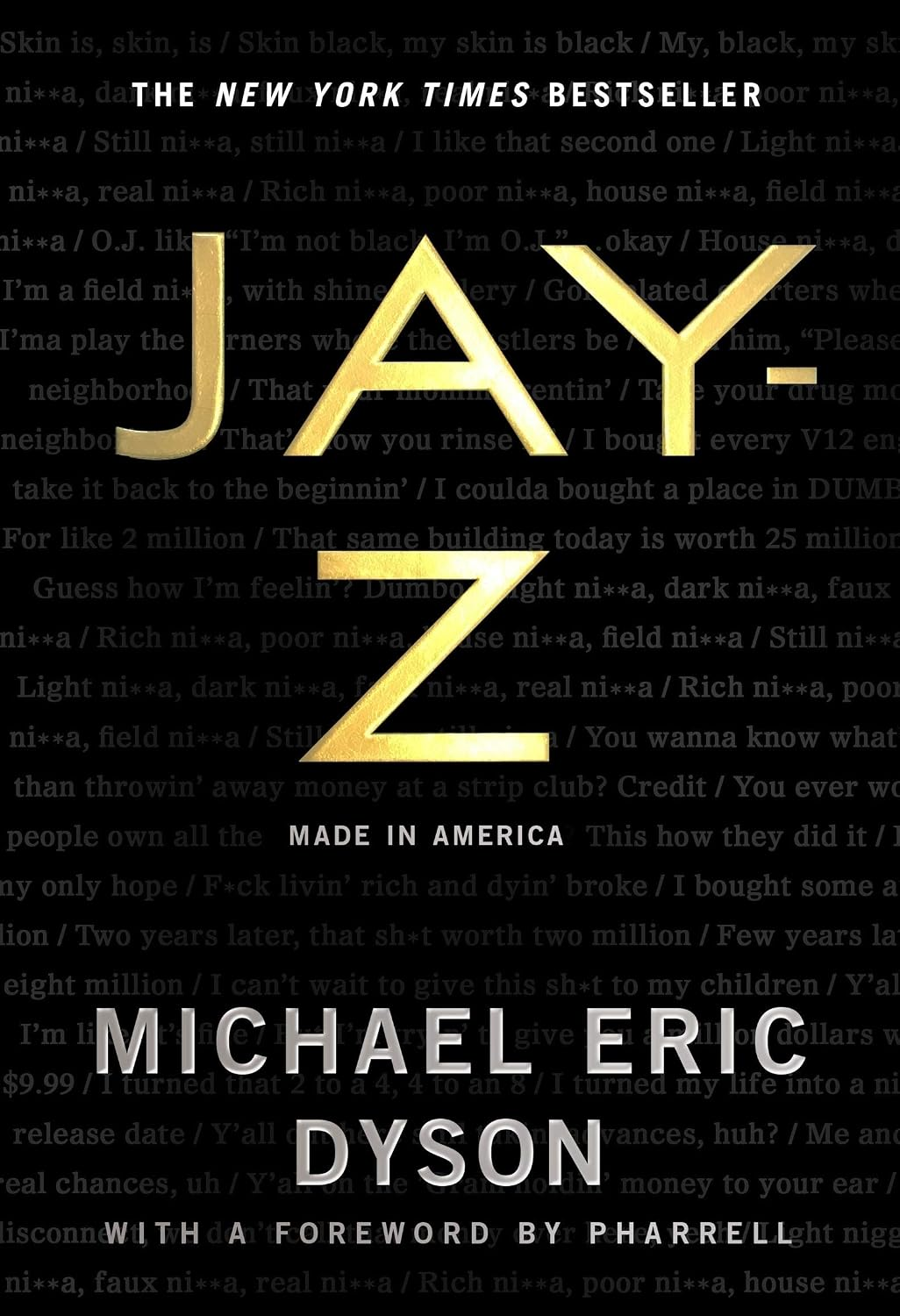
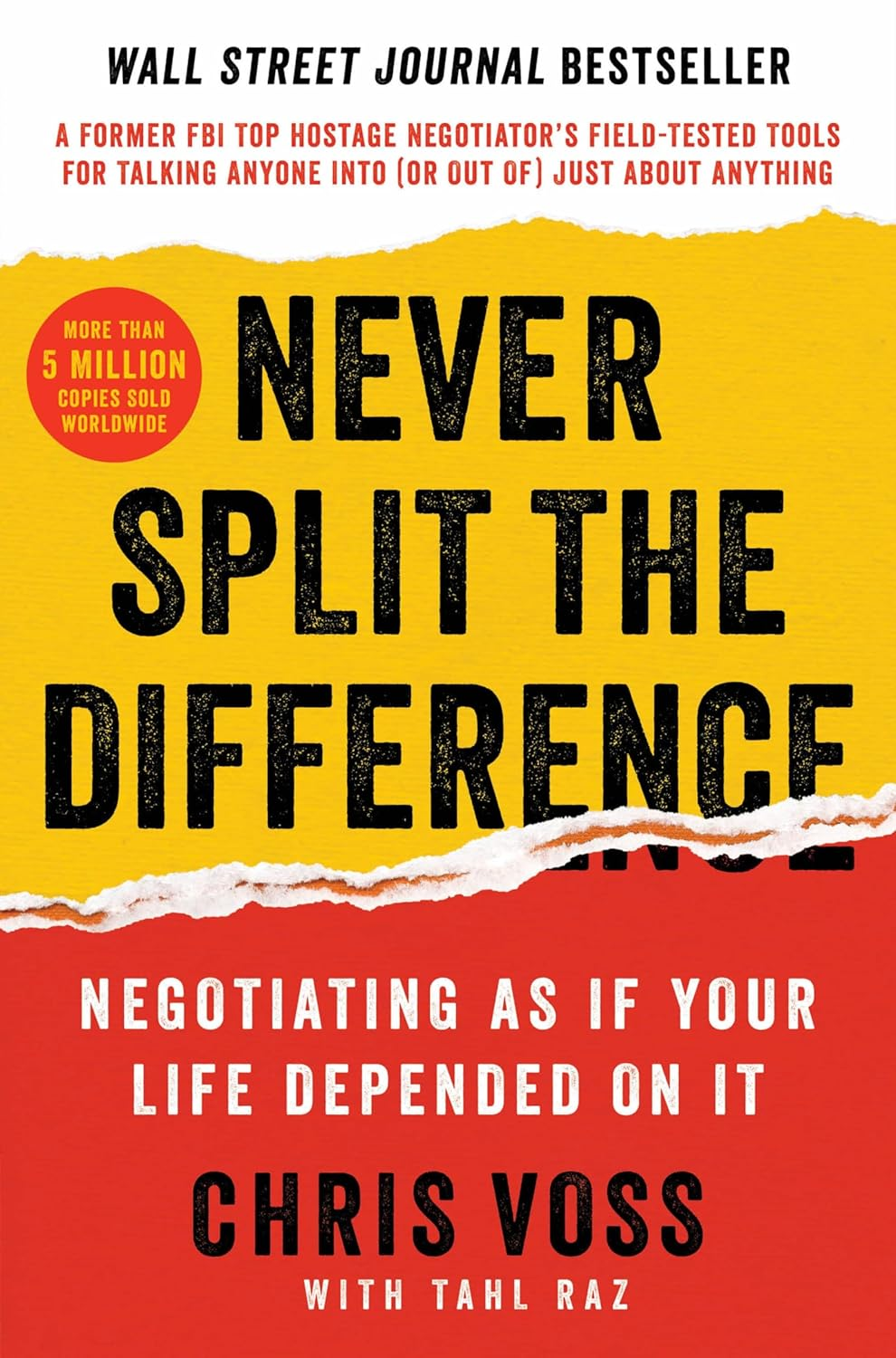
These books belong beside this article because one examines the cultural architecture of Jay-Z’s legacy, while the other explains the negotiation intelligence required to move beyond conflict without surrendering boundaries, leverage, or clarity.
As an Amazon Associate, KMOB1003 may earn from qualifying purchases.
Disclosure: KMOB1003 may earn a commission from qualifying purchases through select partner links. Editorial coverage is produced independently.
KMOB1003 After the Article
The Catalog Has Weight
You read the argument. Now the rooms where catalog, curation, and cultural infrastructure keep building.

The Catalog Has Weight
RareVinyl
Rare and collectible records for listeners who understand that a catalog is not only streamed — it is preserved, owned, and carried forward.
Explore RareVinyl →
Affiliate partner. 10% off with code KMOB10. KMOB1003 may earn a commission.
Curated Resources
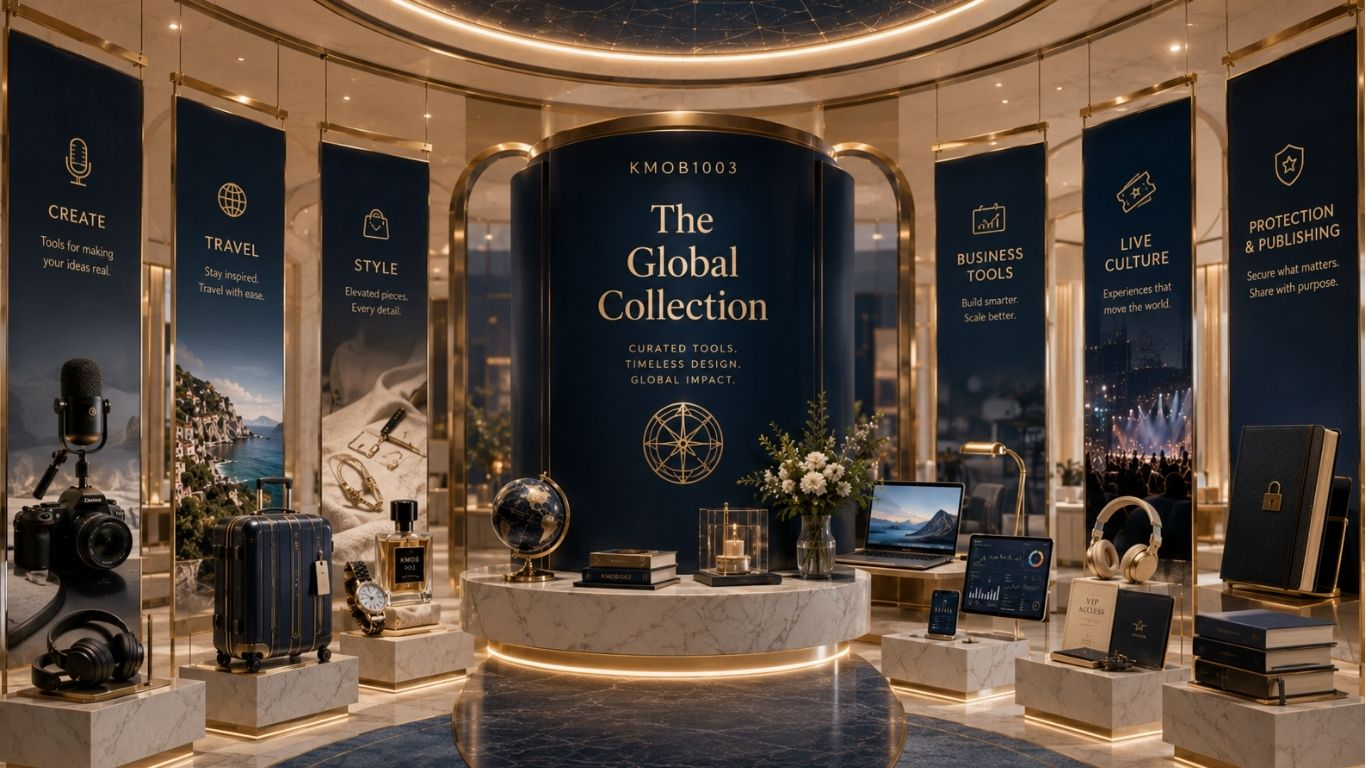
The Global Collection
Tools and operating resources for operators building infrastructure that outlasts one moment.
Enter the Collection →
Editorial Archive
Legacy & Insights
More KMOB1003 analysis on culture, leadership, and the systems behind the story.
Enter the Archive →
Go Deeper
Culture Docent
Operator intelligence on ownership, infrastructure, and power — unpacked in plain language.
Explore the Docent →
Global Reach. Powerful Stories. Lasting Impact.
