KMOB1003 Global Protection Partner
KMOB1003 Global · The Culture Docent
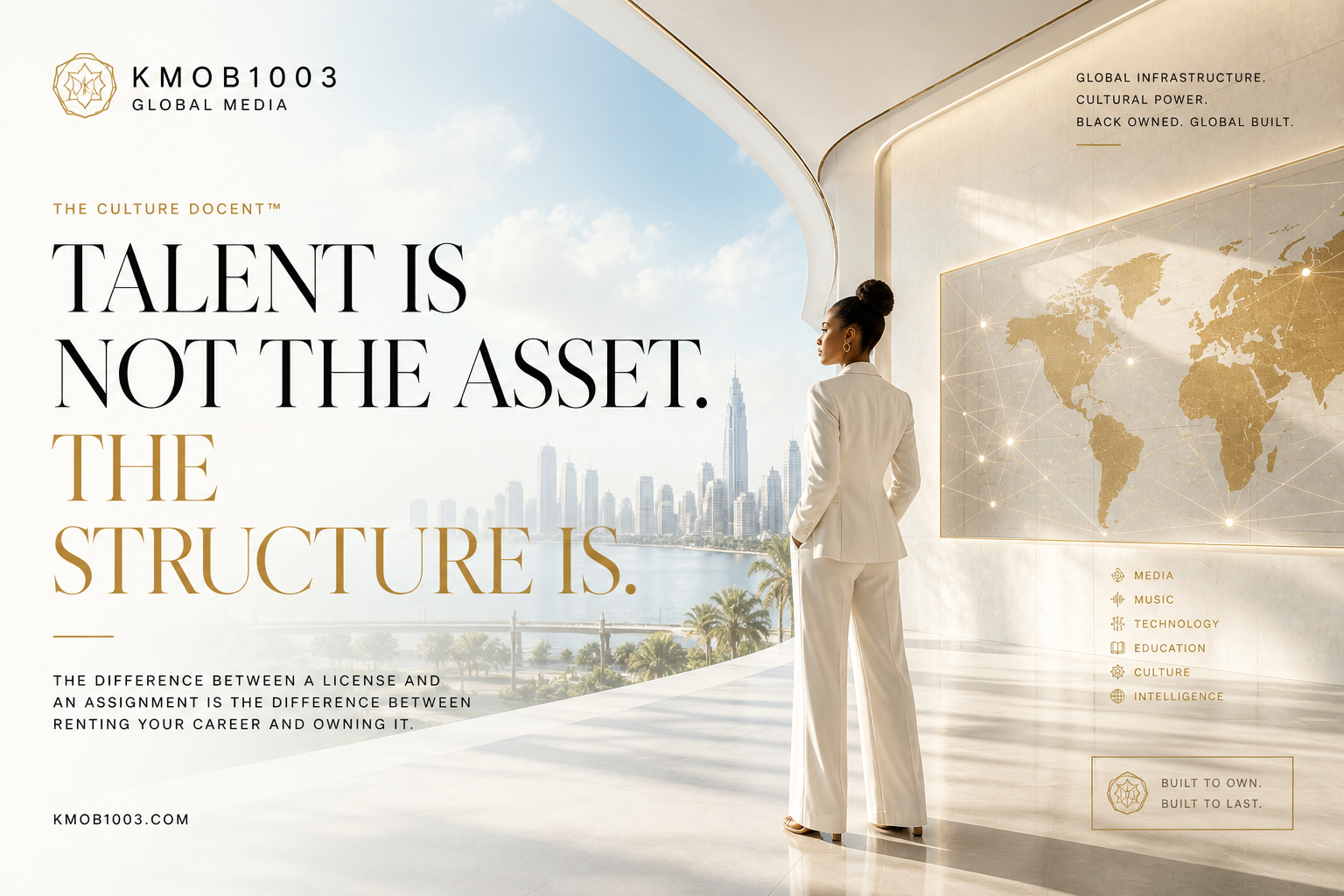
The Difference Between a License and an Assignment Is the Difference Between Renting Your Career and Owning It.
The music industry has spent a century convincing artists that talent is the asset. It is not. Talent is the raw material. The asset is the structure built around it — who owns the copyright, who controls the masters, who holds the publishing, and who decides what happens to the work after it leaves the artist’s hands.
Taylor Swift did not become the most powerful person in the music industry because of her talent. She became it because she understood the structural difference between a license and an assignment — and rebuilt her catalog from the ground up when she discovered that the structure she had signed into did not give her the ownership she needed. The talent was always there. The leverage came from the structure.
The structural question that determines the economic future of every creative career is simpler than most artists realize: did you license your work, or did you assign it? A license allows another party to use your intellectual property under specific terms — but you retain ownership. An assignment transfers ownership itself. When most artists sign their first record deal, they are assigning their masters to the label. They are not licensing their work. They are selling it.
“The conversation about artist rights has always been framed as a fight between talent and the machine. The real fight is between people who understand intellectual property structures and people who do not. The machine has always known which side it is on.”
— KMOB1003 Music Intelligence Analysis 2026
Catalog Acquisition Market · Peak Valuations
Peak catalog valuation multiple on annual NPS
Received by artists who assigned copyright in catalog sales
Standard co-pub deal: publisher share of copyright transferred
Sources: Music Business Worldwide · KMOB1003 Music Intelligence · 2026
Ownership Layer
A copyright is a bundle of rights — the right to reproduce, distribute, perform, display, and create derivative works from a piece of intellectual property. When an artist creates a song, they automatically own that bundle of rights. A license grants specific rights to a third party while the artist retains ownership of the underlying copyright. An assignment transfers the copyright itself — the artist no longer owns the work.
The standard major label recording agreement is an assignment. The artist assigns the master recording copyright to the label in exchange for advances, recording budgets, and royalty participation. The label owns the master. The artist earns royalties — after recoupment — from the label’s exploitation of the master. The artist’s name is on the record. The label’s name is on the ownership document. Those are not the same thing.
Traditional publishing deals assigned the copyright to the publisher in exchange for administration, promotion, and advance payments. Modern co-publishing deals typically give the publisher 50% of the copyright. The writer retains the other 50% — but has given away half of a perpetual, compounding asset in exchange for services that could have been contracted separately without any ownership transfer.
Before you sign anything, understand whether you are licensing or assigning. A license preserves your ownership. An assignment ends it. Every deal that looks like access is actually an ownership question in disguise.
Publishing Infrastructure
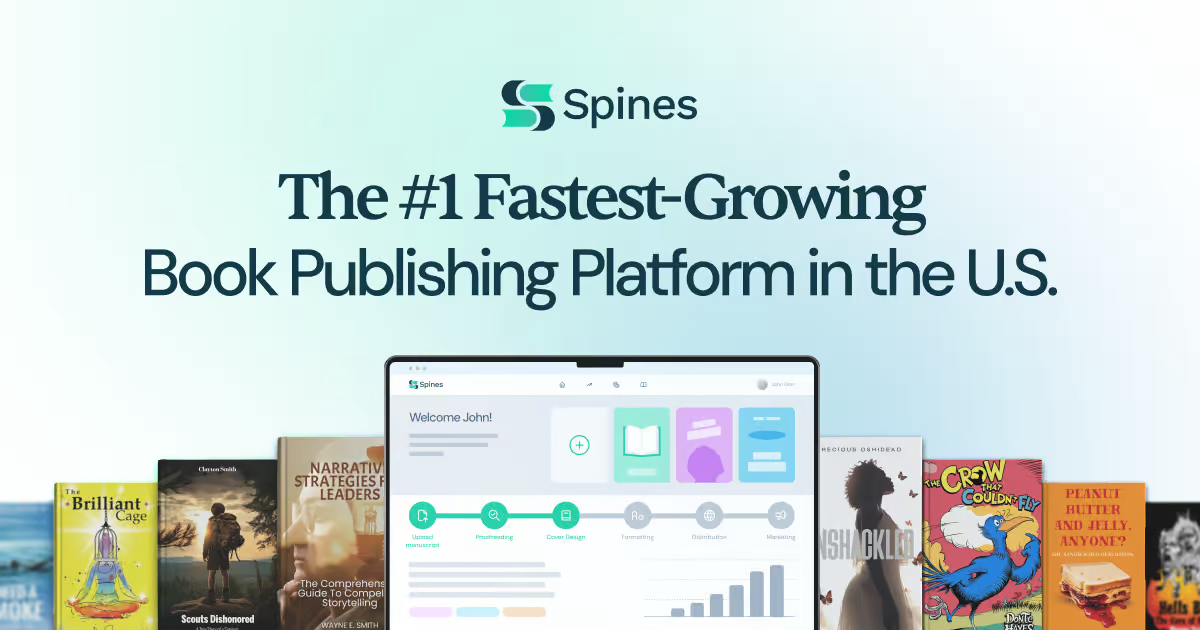
A Book Is Intellectual Property You Own Forever.
Spines publishes globally while you retain full copyright ownership. No assignment. No label deal. No publisher taking half. The operator who owns the content owns the compounding value.
KMOB1003 may earn a commission from qualifying purchases.
Asset Layer
Copyright ownership controls everything that happens to a piece of work after it leaves the artist’s hands. It controls who can license it for film and television sync. It controls who receives the licensing fee when the work is used in an advertisement. It controls who can authorize a sample, who can approve a cover version, and — critically — who can sell the asset when it becomes valuable enough to attract acquisition interest.
The catalog acquisition market made this structural question impossible to ignore. In 2021 and 2022, song catalog valuations reached multiples of 25 to 30 times annual net publisher share. The artists who retained their publishing owned an appreciating asset worth millions. The artists who assigned it owned nothing but the right to continue earning royalties at whatever rate the publisher determined.
The operator framework applies here with clarity. The independent creator who retains copyright ownership is building an asset that compounds — that generates revenue, attracts acquisition interest, and can be leveraged for financing, partnerships, and strategic deals. The artist who assigns copyright in exchange for industry access is trading a compounding asset for a salary. Both paths can generate income. Only one builds infrastructure.
Copyright is a compounding asset. Every deal that asks you to assign it is asking you to trade a perpetual stream of value for a one-time payment. Understand what you are trading before you sign.
Operator Signal
The operator mindset applied to creative work produces a different set of decisions than the artist mindset. The artist asks: how do I get my work heard? The operator asks: what structure do I need to build around this work so that every time it is heard, I capture the value? The artist who asks only the first question builds a career. The artist who asks both questions builds infrastructure.
The practical application of this framework starts with understanding what you own before you sign anything that changes the ownership structure. It continues with retaining copyright wherever possible — licensing rather than assigning, structuring deals as term licenses with reversion clauses rather than perpetual assignments, and treating every piece of intellectual property as an asset that will be worth more in the future than it is today.
KMOB1003 was built on this framework from day one. The editorial content, the radio programming, the brand identity, and the audience relationships are owned infrastructure — not licensed from any platform, not assigned to any label, not subject to any third party’s decision about what happens next. The structure is the asset. The talent is what fills it.
Talent gets you in the room. Structure determines what you own when you leave it.
Ask both questions: how do I get the work heard, and what structure ensures I capture the value when it is? The first builds reach. The second builds infrastructure. You need both.
Infrastructure Active
KMOB1003 Global Media was not built around a single talent, a single show, or a single platform deal. It was built around a structural framework: owned radio infrastructure, owned editorial platform, owned affiliate ecosystem, owned audience relationships. Every component of the KMOB1003 operation was designed to be owned rather than licensed — to generate compounding value for KMOB1003 rather than for any label, platform, or third-party infrastructure provider.
The difference between an 829K-follower TikTok account and a global media platform is not reach. It is structure. The TikTok account can be deplatformed. The radio network, the editorial archive, the affiliate portfolio, and the audience relationships that have been built into owned infrastructure — those cannot be deplatformed. The structure is what makes KMOB1003 an investable media company rather than a social media account.
The structure determines whether what you build compounds for you or for someone else. Build the structure first. The talent already exists. Give it infrastructure worthy of what it can produce.
Publishing Infrastructure
Own the Structure. Own the Value.
Spines publishes in weeks. You retain full copyright. No assignment, no label deal, no publisher taking half. The operator who owns the content owns the compounding value.
KMOB1003 may earn a commission from qualifying purchases.
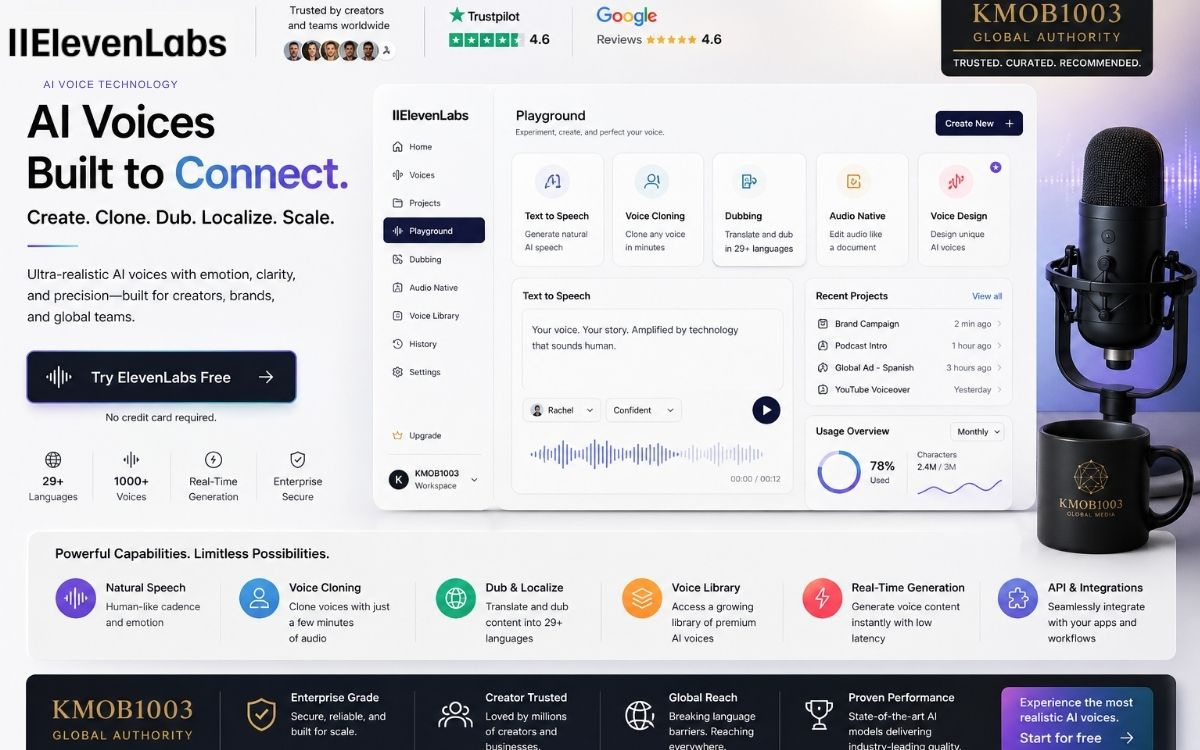
Your voice. Deployed at scale. ElevenLabs turns spoken content into professional audio — podcasts, narration, and radio-ready production.
KMOB1003 may earn a commission from qualifying purchases.
