
KMOB1003 Global Protection Partner
KMOB1003 Global · The Culture Docent
The Platform Introduced You. The Audience Decided to Stay. Those Are Not the Same Relationship — and Confusing Them Is the Most Expensive Mistake in the Creator Economy.
The follower count is not yours. It lives on the platform’s infrastructure, subject to the platform’s terms, visible through the platform’s interface, and transferable only if the platform decides it can be. What you have is not an audience. You have access to an audience. That access is borrowed — and the platform can revoke it without notice, without compensation, and without appeal.
The distinction matters because borrowed access and owned relationship produce entirely different outcomes when the platform changes its terms — and the platform always changes its terms. The creator who understands this builds something else in parallel. The creator who mistakes borrowed access for ownership finds out the hard way when the reach drops, the algorithm shifts, or the account gets restricted. By then, the audience they thought they had is someone else’s asset.
Questions This Article Answers
What is the difference between an audience and borrowed access to an audience? Why do creators lose their following when platforms change their algorithm? How do platforms keep the audience relationship even when creators go viral? What does it mean to own your audience? How do operators convert platform followers into owned relationships?
The platform designed the follow button. The platform built the notification system that tells your followers when you post. The platform controls the algorithm that decides which of your followers actually see what you post. The platform determines how many of your followers are shown your content organically versus how many require paid promotion to reach. At every layer of the relationship between you and the people who clicked follow, the platform is the intermediary. You are not in that relationship. You are adjacent to it.
“A follower is not a relationship. It is a permission slip the platform issued on your behalf — and the platform reserves the right to revoke it.”
— KMOB1003 Operator Intelligence · 2026
Platform Audience Control · Key Signals
Average organic reach for creator posts on major platforms in 2026
Of follower contact information transferred when a creator leaves a platform
Of the audience relationship belongs to the platform — not the creator
Sources: Platform analytics · KMOB1003 Operator Intelligence · 2026
Platform Layer
A follower is a record in the platform’s database that links one user account to another. When someone clicks follow on your profile, they are not entering a relationship with you. They are adjusting a preference setting in the platform’s system — telling the algorithm to include your content in the pool of posts it considers showing them. Whether they actually see your content depends entirely on the platform’s decision about what to surface, when to surface it, and to how many of your followers it is worth showing.
The platform owns the data about your followers. It knows their names, their email addresses, their behavioral patterns, their purchase history, their demographic profile, and their engagement with every piece of content they have ever interacted with. You know their username and their follower count. When they leave the platform, they take their data with them. You are left with a number that decreases — and no way to contact the people that number once represented.
This is not a design flaw. It is the platform’s business model. The audience relationship is the asset the platform sells to advertisers. The creator’s content is what builds that asset. The creator gets reach. The platform gets the relationship. That exchange only feels balanced when the algorithm is favorable and the reach is high. When the algorithm shifts, the imbalance becomes visible.
Every follower you have on a platform is a borrowed relationship. The platform owns it. You have access to it — until you don’t. Build the system that converts borrowed access into owned relationships before the access changes.
Operator Intelligence Layer
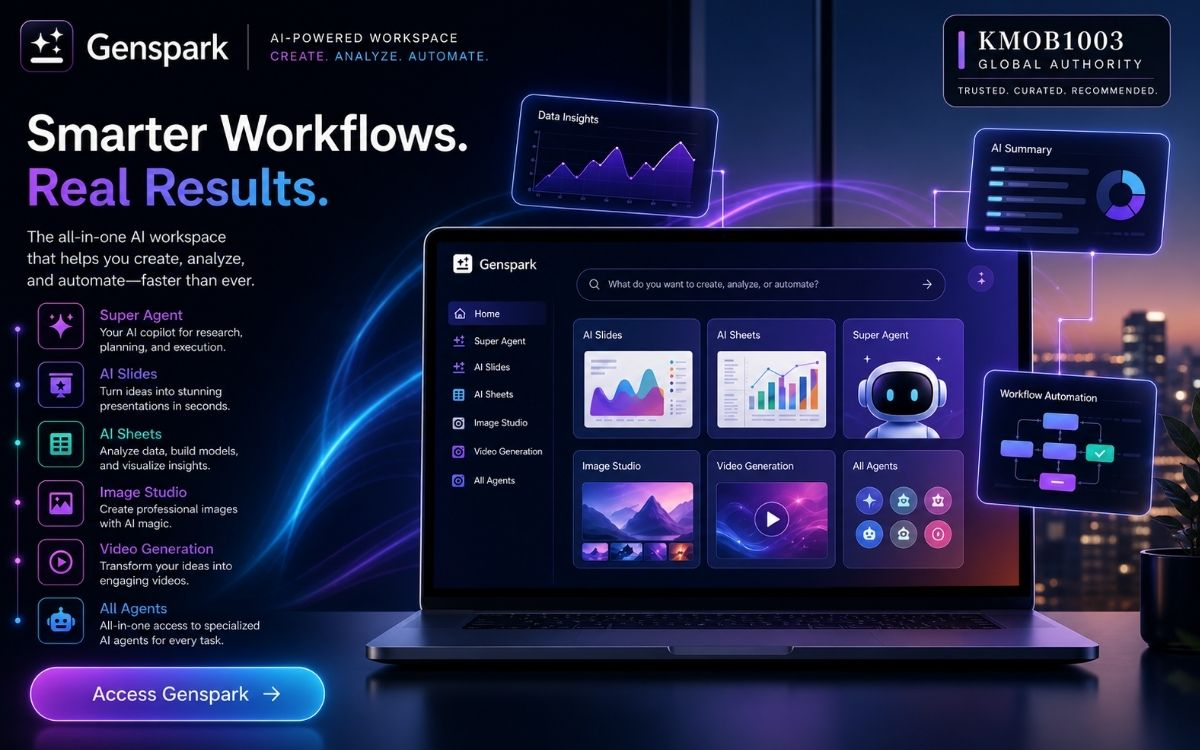
Genspark
Understanding how platform audience architecture works — before you build your entire business on top of it — is the move. Genspark gives operators the intelligence infrastructure to map the systems they are building inside and identify where the real ownership leverage is.
KMOB1003 may earn a commission from qualifying purchases.
Infrastructure Layer
Owned audience means you have the direct contact information and the direct relationship — without a platform intermediating it. An email subscriber is an owned relationship. You know their email address. You can reach them directly, at any time, regardless of what any algorithm decides. The platform cannot suppress that reach. It cannot restrict that access. It cannot revoke that relationship. When you send an email, it arrives. That is ownership.
The gap between a platform follower and an email subscriber is the gap between borrowed and owned. A creator with 500,000 Instagram followers and 10,000 email subscribers has less audience ownership than a creator with 50,000 Instagram followers and 40,000 email subscribers. The first creator has more borrowed access. The second creator has more owned relationship. When the algorithm changes, the first creator’s business is threatened. The second creator’s business is protected.
This is exactly how KMOB1003 scaled across 50+ countries without depending on platform reach. (Read: The Platform Is Not Your Partner. It Is Your Landlord.) Every platform presence routes to owned infrastructure — radio, editorial, email. The platforms surface the discovery. The owned infrastructure captures the relationship. The follower count measures reach. The email list measures ownership. Those are not the same metric. Only one of them compounds.
They are not following you. They are borrowing you from the platform. Build the infrastructure that makes you unreturnable.
Measure owned relationships — not borrowed access. The follower count tells you how many people the platform has agreed to show you to. The email list tells you how many people have agreed to hear from you directly. Only one of those numbers compounds.
Ownership Active
The conversion system is straightforward but requires intentional construction. Every piece of content published on a platform needs a clear path to an owned destination. The path does not have to be complicated. A link in bio that routes to an email opt-in. A call to action in the content that directs attention to a direct platform. A free resource, a newsletter, a community — something that converts the platform interaction into a direct relationship that exists outside the platform’s control.
The timing of this conversion matters. The highest moment of attention is immediately after a piece of content performs well. That is when the audience is most engaged and most willing to take a next step. If there is no clear next step pointing to an owned destination, that moment of elevated attention dissipates. The platform captures the engagement data. The creator captures the memory of a good post. Only one of those compounds.
Every platform post needs a conversion path. Not every post will convert. But without the path, none of them will. Build the owned destination first. Then drive every platform interaction toward it.
Publishing Infrastructure
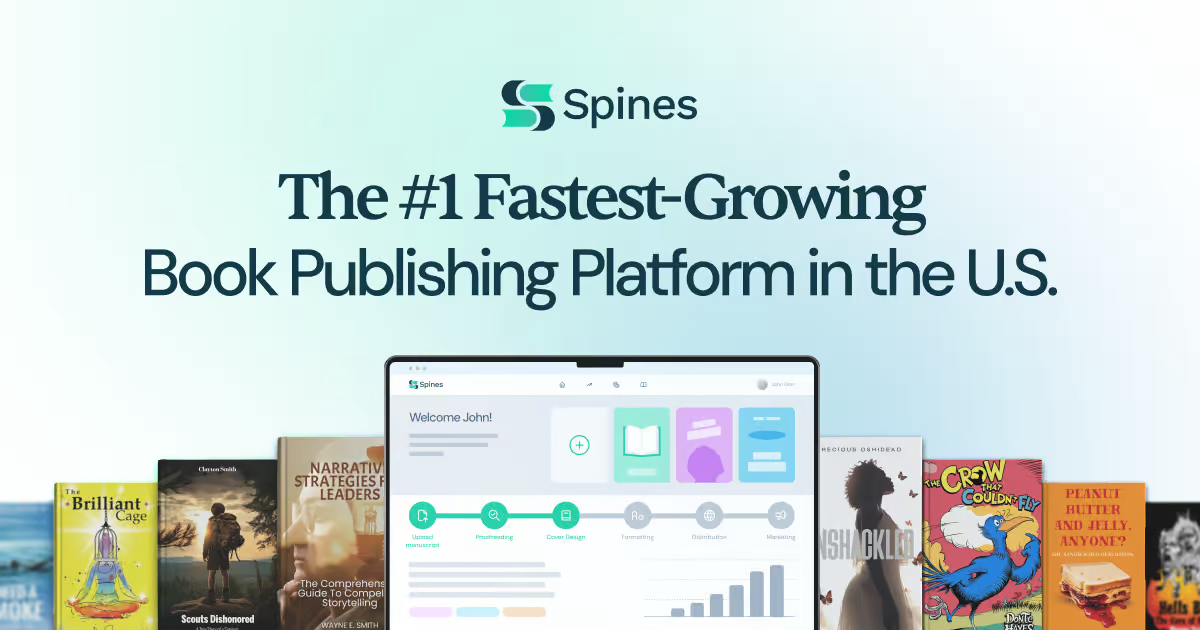
A Published Book Is an Audience Relationship No Platform Can Revoke.
Spines publishes in weeks with full copyright retained. A book carries your name, builds direct reader relationships, and generates compounding value entirely outside the platform follower model.
KMOB1003 may earn a commission from qualifying purchases.
Operator Execution · The Move
01 — Build the owned destination first
Email list. Owned website. Direct community. The destination must exist before you drive traffic toward it.
02 — Add a conversion path to every post
Not every post converts. But without the path, none of them will. Every platform interaction needs a clear next step that routes to something you own.
03 — Measure owned relationships weekly
Track email subscribers, direct platform members, and owned community size. Those numbers compound. Follower counts do not.
04 — Publish owned intellectual property
A book. A report. A framework. Content that carries your name and builds direct reader relationships outside the platform follower model.
05 — Treat platform growth as top-of-funnel
Platform followers are discovery. Email subscribers are ownership. The funnel moves from borrowed to owned. Build both layers — but measure them separately.
06 — Activate the conversion at peak attention
The highest moment to convert a follower to an owned relationship is immediately after a post performs well. Have the owned destination ready before the spike happens.
The Signal Breakdown
The Problem
Creators build audiences on platforms they do not own and mistake borrowed access for owned relationship. When the platform changes its terms, the audience stays on the platform.
Why It Happens
The platform owns all follower data. The creator only sees the count. The follower count grows and feels like ownership — but it is the platform’s asset, not the creator’s.
What Operators Build
Email lists. Owned websites. Direct platforms. Conversion paths on every post. Infrastructure that converts borrowed platform access into owned relationships that compound.
If you cannot move your audience without the platform, you do not have one.
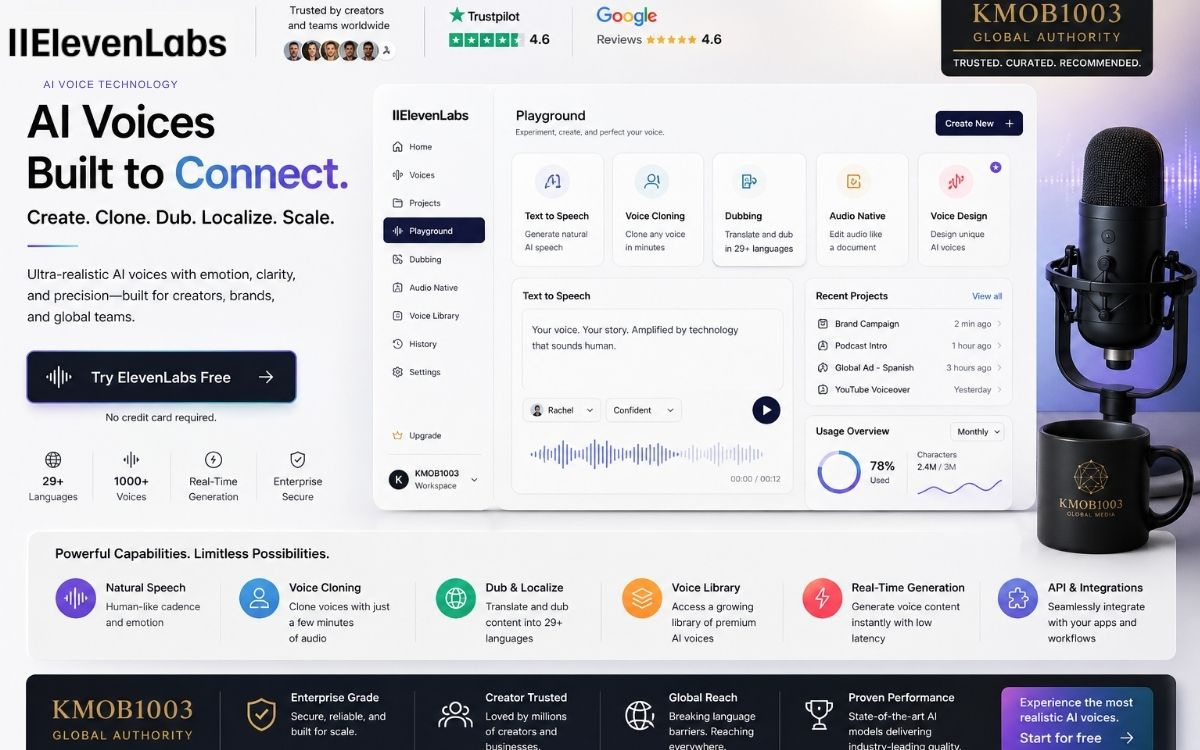
Your voice. Deployed at scale. ElevenLabs turns spoken content into professional audio — podcasts, narration, and radio-ready production.
KMOB1003 may earn a commission from qualifying purchases.
