
The Algorithm Sent the Bill: Inside DoorDash’s $131.5 Million New York Settlement
The DoorDash NYC settlement requires DoorDash to pay $131.5 million after New York City found the company had underpaid or failed to pay more than 260,000 delivery workers. However, the company attributes the underpayments to technical errors and disputes part of the city’s calculation methodology. At $131.5 million, this enforcement action is the largest worker settlement in New York City history.
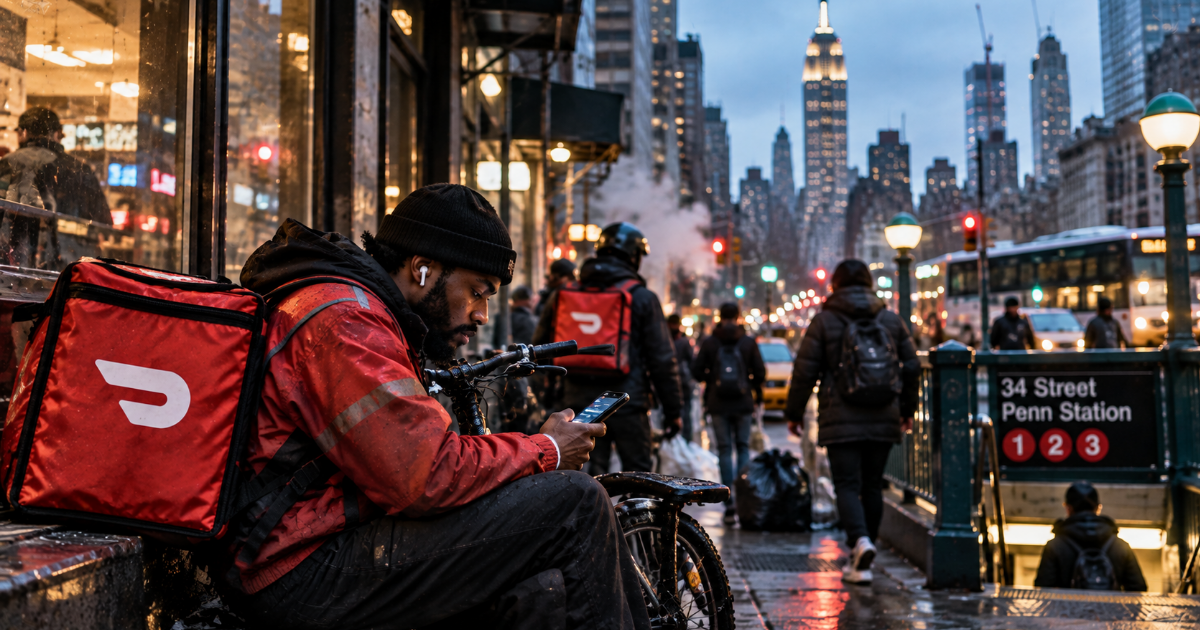
The DoorDash NYC settlement starts with Rosendo Tacam. He has delivered food in New York City for years, often working more than 80 hours a week through rain, snow, and everything in between. Then DoorDash deactivated his account and didn’t pay him for his last week of work. “I gave DoorDash everything I had, and then they deactivated me and didn’t pay me for my last week of work,” he said. He described the experience simply: “I felt angry and disrespected.” As a result, he filed a complaint with the Workers Justice Project. The group helped organize the deliveristas who ultimately triggered a citywide investigation.
That investigation, conducted by the city’s Department of Consumer and Worker Protection, ended this week with the largest worker settlement in New York City history. DoorDash will pay $131.5 million. More than $115 million will go directly to over 260,000 delivery workers, while more than $16 million covers civil penalties and costs.
DoorDash’s own statement on the matter is three sentences long: “Simply put, we screwed up. Our mistakes meant some Dashers were underpaid or paid late. While these mistakes weren’t intentional, that doesn’t make them okay.”
A Minute of Waiting, Multiplied by 260,000 People
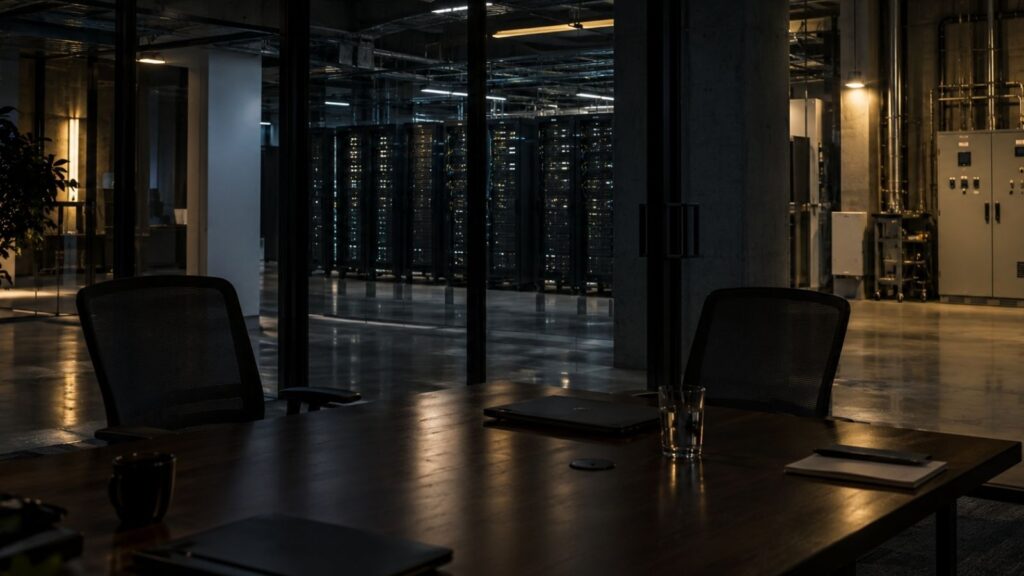
DCWP’s investigators didn’t take DoorDash’s word for it. They obtained terabytes of data from the company, including billions of rows documenting how it tracked and paid delivery workers. The Research and Analytics Division then identified more than 152 million individual payment transactions and 110 million working hours connected to the case.
What they found was a single recurring dispute worth more than any other line item in the settlement. It centered on how to count the minutes a worker spends logged into the app while waiting for the next order. Under the city’s Minimum Pay Rate law, that on-call time is compensable. Even so, DCWP found DoorDash excluded categories of it. DoorDash says that disagreement over online time between deliveries accounts for more than $83 million of the settlement. Another $12.3 million covers workers the company says were underpaid or paid late. Those errors were tied to technical issues, complex deliveries and, in some cases, incomplete or inaccurate banking information.
ADVERTISEMENT

DoorDash NYC Settlement: Mistake or Design?
DoorDash’s framing and the city’s framing describe the same numbers very differently. The company says many errors trace to technical bugs and complex deliveries. For example, some orders crossed city boundaries, had multiple stops, were partially fulfilled or were canceled. Other problems involved incomplete or inaccurate banking information. Separately, DoorDash says more than $83 million resolves a disagreement with the city over how to calculate pay for online time between deliveries.
Mayor Zohran Mamdani rejected DoorDash’s characterization that the violations were accidental. Announcing the settlement, he said workers would now have “the power to crowdsource data and investigate the black box algorithms that dictate their schedules and pay.” He also invoked DoorDash CEO Tony Xu’s earlier use of the computer-science term “greedy algorithm” while criticizing the company’s practices. Meanwhile, DCWP Commissioner Samuel Levine put it more plainly: “Opaque algorithms will not have the final word when it comes to how much they are paid for the hard work they do.”
It’s worth being precise about what the DoorDash NYC settlement actually established, legally. This is a consent order, not a court verdict. DCWP’s findings were made without any judicial determination. DoorDash also agreed to resolve the matter without a hearing rather than litigate for years. Therefore, both things are true at once: DoorDash is paying $131.5 million, and no court has ruled that the underpayment was intentional.
Inside the DoorDash NYC Settlement’s Compliance System
The money is only part of the settlement. For the next three years, DoorDash must submit detailed payroll data to the city every month. In addition, DCWP is partnering with the Workers Justice Project and the Workers’ Algorithm Observatory, a research group based at Princeton. Together, they are building software that lets couriers capture their own trip and earnings data and share it directly with the city. That gives officials an independent source beyond what DoorDash reports.
“We’re glad to serve as an independent check on what platforms report,” said Andrés Monroy-Hernández, a founding member of the Workers’ Algorithm Observatory and a Princeton computer science professor. “The people doing the work are often the best source of evidence about how these systems actually operate.” DoorDash is barred from penalizing any worker who uses the tool.
PARTNER SPOTLIGHT
See how OpenArt turns one identity, real products and creative direction into a complete campaign.
Affiliate partner: KMOB1003 Global Media may earn a commission if you purchase through this link, at no additional cost to you.
ADVERTISEMENT

DoorDash NYC Settlement Is Not an Isolated Case
This settlement is one data point in a much larger pattern. Since January, the Mamdani administration says its delivery-worker actions include more than $104 million in additional tips. They also include a separate settlement of more than $5 million in back pay and penalties involving Uber Eats, HungryPanda and Fantuan. Therefore, DoorDash’s $131.5 million settlement sits within a broader period of city enforcement affecting the delivery-app industry.
That matters for Uber Eats and Grubhub as much as it does for DoorDash. DCWP audited 152 million transactions against a specific legal definition of compensable time. Those same tools can be used against any platform running worker pay through a proprietary formula. The message isn’t that algorithms can’t set pay. Instead, it is that an algorithm doing so is now auditable like any other payroll system. At scale, being wrong is no longer a technical footnote.
What Happens Next After the DoorDash NYC Settlement
Workers do not need to file a claim. DCWP has already identified everyone owed money from DoorDash’s own records. Personalized notices go out in late October to eligible workers with underpayments from April 22, 2022, through June 28, 2026. For example, a worker owed $1,000 who was never paid receives $3,000. By contrast, a worker paid $1,000 late receives $2,000. A second, smaller round of payments follows in early 2027 for workers affected by calculation issues DoorDash is still correcting.
For Rosendo Tacam and the workers who filed the complaints that started this investigation, the settlement is described as a win, not an ending. Still, the organizing continues. “We celebrate this victory, but the fight continues,” said Ligia Guallpa, executive director of the Workers Justice Project. Guallpa added, “We will keep organizing for job security, safer working conditions, higher pay and respect.”
ADVERTISEMENT

Signal Breakdown
DoorDash agreed to a $131.5 million settlement with NYC’s Department of Consumer and Worker Protection, announced September 22, 2026 — the largest worker settlement in New York City history. More than $115 million goes to over 260,000 workers; more than $16 million covers civil penalties and costs. DCWP’s investigation analyzed 152 million payment transactions and 110 million working hours. The settlement requires monthly DoorDash payroll reporting to the city for three years and a new worker-driven compliance system built with the Workers Justice Project and the Workers’ Algorithm Observatory at Princeton. This is a consent order, not a court verdict — DCWP’s findings were made without judicial determination.
DoorDash attributes the underpayments to unintentional technical errors and maintains its original pay calculation was “fair, practical, and legal.” Mayor Mamdani and DCWP characterize the violations as systemic and describe DoorDash’s pay algorithm in adversarial terms. Rosendo Tacam’s account of being deactivated and unpaid is his personal statement, provided through the Workers Justice Project.
Whether the underpayments were intentional or the result of genuine technical error — that is the disputed characterization at the center of the disagreement, not a settled fact. No court has ruled on the merits of DCWP’s findings.

KMOB1003 SELECTS
Music, style, tools, art and objects worth your attention.