
Culture & Ownership · Institutions & Power · Legacy & Insights · July 2026
The Grammys Wait Until Culture Is Too Big to Exclude
Harvey Mason Jr. says the new Best Asian Pop category expands recognition. He may be sincere. That does not make BTS wrong to refuse it.
BTS did not reject recognition. It rejected the old bargain: build the audience, move the culture, change the market – and wait for the institution to decide where you belong.
Harvey Mason Jr. says the Recording Academy created its new Best Asian Pop Music Performance category to recognize more artists, not fewer. He may be sincere. That does not make BTS wrong. This week the seven-member group announced it will not submit its comeback album, ARIRANG, for the 2027 Grammy Awards. Its explanation was brief: the group said it hopes its music can be “heard and loved for what it is, rather than being divided by region or language.” The Academy’s answer is equally clear – the category celebrates the growth of pop coming out of Asia, and entering it blocks no one from Album, Record, or Song of the Year. On paper, that reads like inclusion. In history, it reads like a pattern.
What This Article Is Actually About
This is not a verdict delivered by adjective. It is an examination of timing and placement: how long institutions wait to recognize culture, and where they seat that recognition once it arrives. BTS is not refusing recognition. It is refusing the terms.
Signal One
The Withdrawal
BTS declined to submit ARIRANG for the 2027 Grammys, weeks after the Academy created a Best Asian Pop Music Performance category defined partly by Asian markets and meaningful use of an Asian language.
Signal Two
The Pattern
The Grammys have repeatedly recognized culture-shifting music only after it grew too large to overlook – from rap in 1989 to Beyoncé’s first Album of the Year in 2025.
Signal Three
The Reform
The Academy has genuinely remade its committees and its electorate. The open question is whether excellence can now win at the center without first being renamed or re-routed.

I. The Grammys Usually Arrive After the Culture Does
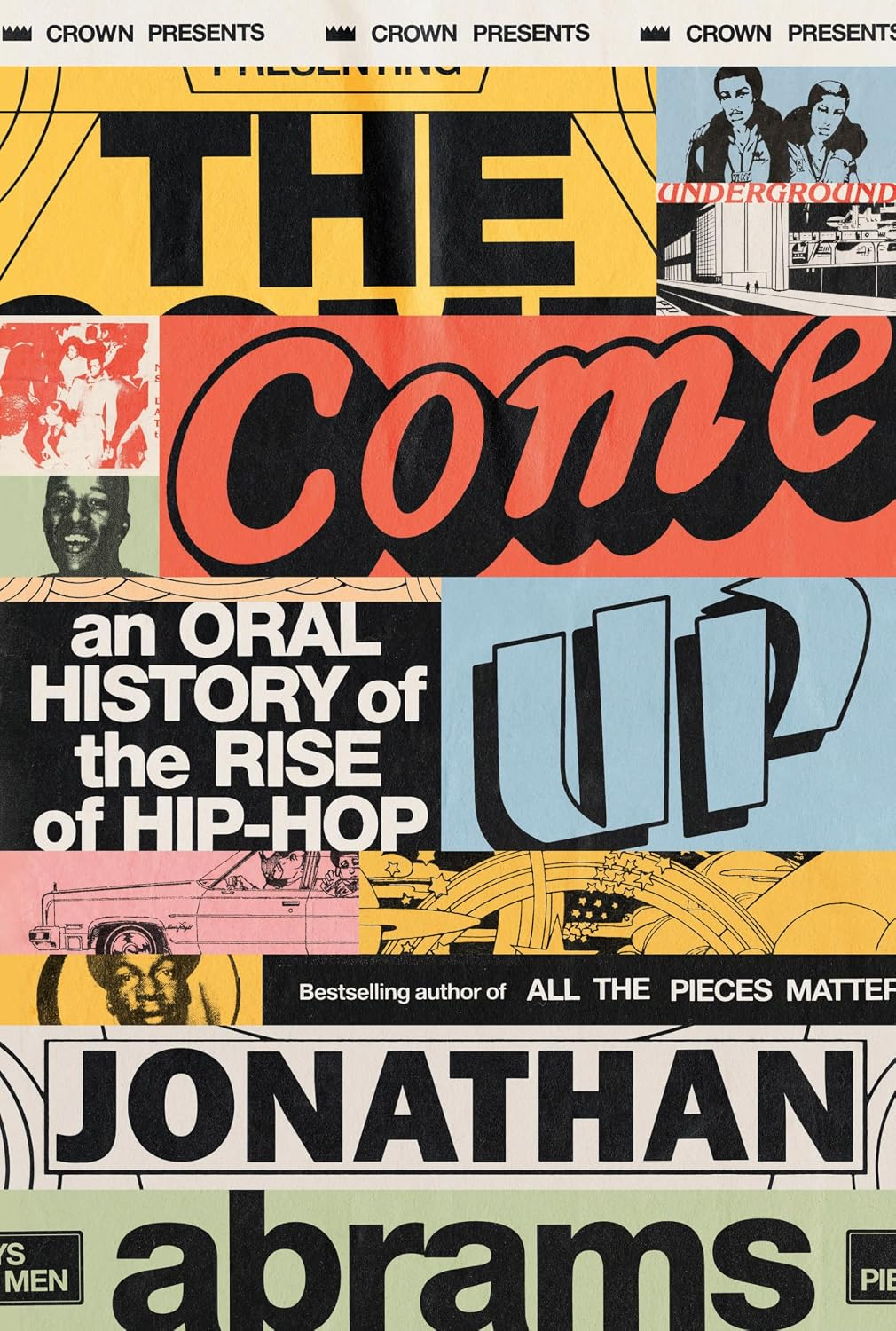
Hip-hop was already reshaping American language, fashion, and commerce when the Grammys introduced Best Rap Performance for the 1989 ceremony – and then declined to televise the award. DJ Jazzy Jeff and the Fresh Prince, Salt-N-Pepa, and others boycotted. The grievance was not that rap had been given a category; it was that the institution wanted credit for recognizing the music without giving that recognition the same stage as everything else. By the time Best Rap Album arrived for the 1996 ceremony, hip-hop was not seeking proof that it was a genre. It was already an industry. Yet its influence in the marketplace kept outrunning its access to the Grammys’ most prestigious prizes. Lauryn Hill’s The Miseducation of Lauryn Hill and OutKast’s Speakerboxxx/The Love Below remain rare hip-hop winners of Album of the Year. Kendrick Lamar could become one of the defining artists of his generation and still watch To Pimp a Butterfly lose the top Grammy. The pattern was never invisibility – Black music is never invisible to an industry built on it. The pattern is delayed authority.
II. The Category Can Honor You and Contain You
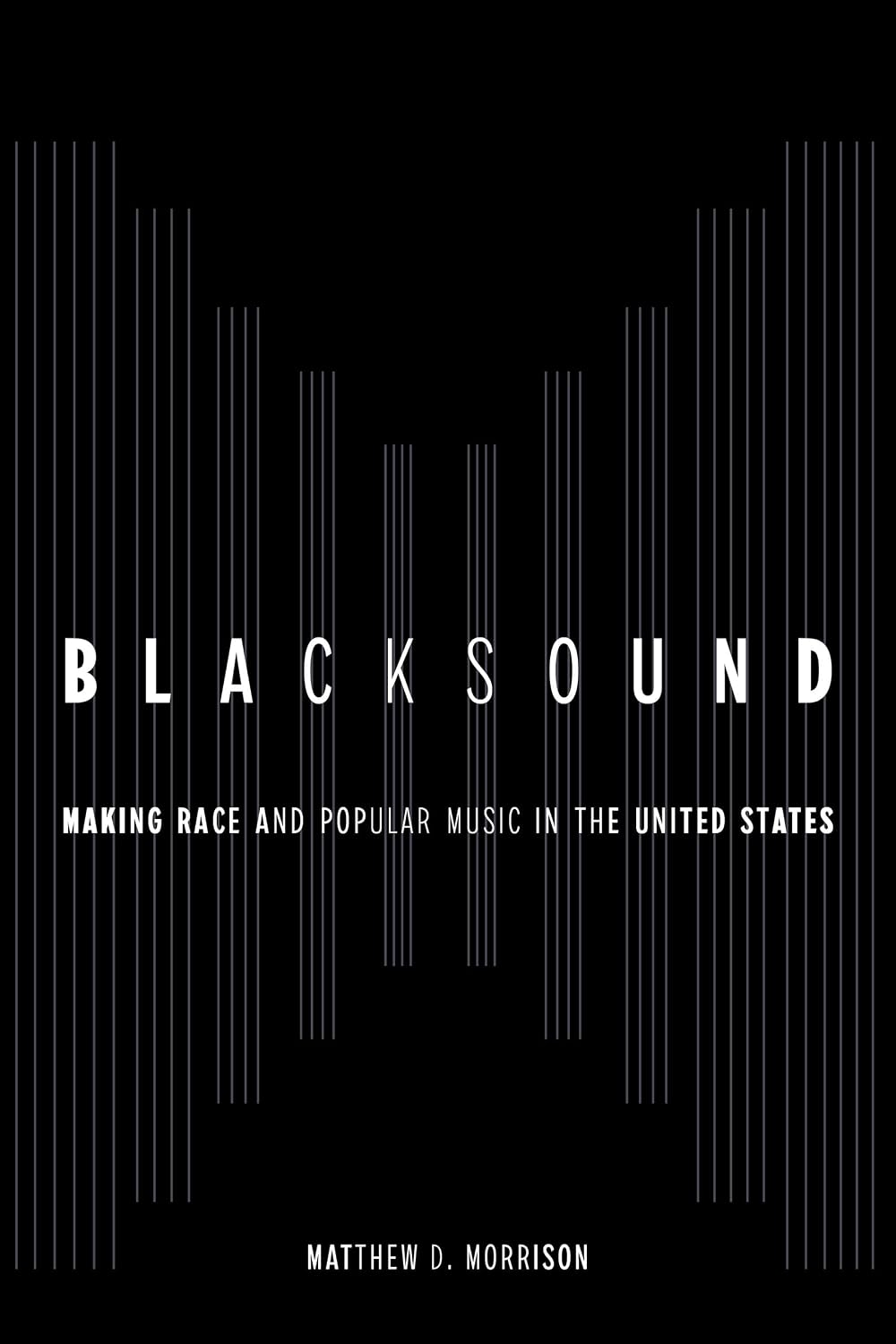
For years the industry filed music made largely by Black artists under “Urban” – a word that could mean R&B, or hip-hop, or anything experimental that did not fit the institution’s idea of pop. It described neither a sound nor a discipline. It described where the industry had decided certain artists belonged. In 2020, after artists and executives spent years explaining that “Urban” functioned as a proxy for Black, the Academy renamed Best Urban Contemporary Album as Best Progressive R&B Album. The correction mattered. It also exposed the machinery: a specialized category can hand out a trophy and still preserve the hierarchy above it, welcoming the work inside a boundary the institution controls. Rock and country have their own categories, and no one calls those exile – because those artists were never shut out of the General Field. A category is only a cage when the center stays closed. Beyoncé made that contradiction impossible to ignore. She became the most decorated artist in Grammy history before Grammy voters awarded her Album of the Year. Jay-Z stated the contradiction plainly from the Grammy stage in 2024: Beyoncé had won more Grammys than anyone but had never won Album of the Year. Even by the Academy’s own metrics, he argued, that did not work. A year later, Cowboy Carter finally won – making Beyoncé the fourth Black woman ever to take Album of the Year, and the first in twenty-six years. Visible, celebrated, and, for most of a historic career, kept just outside the room where the institution locates its highest authority.
What Isn’t in Dispute
The facts underneath the argument are on the record. The Best Asian Pop Music Performance award is one of five new categories the Academy adopted for the 2027 Grammys, recognizing Asian pop performances originating from or widely recognized within Asian markets, with meaningful use of one or more Asian languages. Mason’s clarification is also on the record: entering a genre category does not bar an artist from the General Field, and “It’s never to divide, but to expand who is recognized by our 15,000 Grammy voters.” So are the Academy’s reforms. After The Weeknd received zero nominations for After Hours and called the process corrupt, the Academy eliminated the secret nomination-review committees in most categories. In its 2025 incoming class, 58 percent of accepted members were people of color, and for the first time it invited all Latin Recording Academy voting members. And BTS’s record is not in question: seven members, five nominations, no wins.
III. BTS Is Refusing the Consolation Architecture
BTS has already done the work institutions usually demand before granting legitimacy. It built a global audience across languages, topped American charts, sold out stadiums, and expanded the commercial imagination of what a pop act could be – and collected five Grammy nominations and no wins doing it. None of this says sales should buy a trophy; popularity and artistry differ. The point is narrower: BTS cleared every threshold the institution usually treats as a prerequisite, and was still handed a side lane instead of a seat at the center. Now, after Asian pop has become one of the most durable forces in global music, the Academy has built a category defined partly by Asian markets and Asian-language use. For smaller and emerging acts, that door is real. But BTS is asking a different question: why should music that has already crossed the world be returned to a regional lane at the moment of judgment? Asia is not a genre. K-pop, J-pop, and C-pop share neither a language nor a single industry nor one musical tradition; gathering them under one continental heading can pad the nominee list while flattening the very diversity the category claims to honor. Mason’s point that these artists remain eligible for the General Field is procedurally true. It does not erase the signal of a new door. An institution does not have to forbid the main entrance to make clear which one it expects certain people to use.
IV. The Academy Has Changed. The Record Still Matters.
A fair reading has to say plainly that today’s Academy is not frozen in 1989. Remaking secret committees and diversifying an electorate are real structural changes that deserve to be counted as progress. But reform cannot be measured only by who joins the voting body or how many categories appear on the ballot. It has to be measured by whether excellence from outside the traditional center can win at the center – without first being translated, renamed, or redirected. The market has already moved. A 2026 USC Annenberg study found that 57.8 percent of the 147 artists appearing on the 2025 Billboard Hot 100 Year-End Chart came from underrepresented racial and ethnic groups. The audience is not waiting for permission to hear the world; it already does. The institution is still deciding how to catch up with it – and a new category, arriving the same season as the genre’s biggest act, is a strange way to prove it has.
V. What BTS Actually Withdrew
BTS did not withdraw from music. It did not withdraw from its audience. It did not ask the Academy to stop recognizing Asian artists. It withdrew its consent from a system that wanted to set the terms of that recognition. That is why the decision reaches past K-pop. Black artists have made versions of this argument for decades. Latin artists have watched global success routed into a separate awards architecture. Again and again, artists whose work changes pop are celebrated as representatives of a category before they are trusted as architects of the whole. The Academy’s newest category may still produce deserving winners and introduce voters to artists they should have heard years ago. And BTS may still be right to refuse it. Because inclusion is not only the creation of one more place to stand. It is the removal of the assumption that some artists must stand apart before they can be seen at all.
The audience had already made its judgment. The institution was still deciding where to place the work. The Grammys rarely ignore culture forever. They wait until it becomes too powerful to exclude – and then build a category around what the world has already decided matters. BTS declined to wait inside the newest one.
KMOB1003 Framework
The Recognition Test
Timing
Did the honor arrive while the work was shaping culture, or only once it was too big to exclude?
Placement
Is the recognition at the institution’s center, or inside a category the institution controls?
Translation
Did the artist have to be renamed, re-genred, or routed before being seen?
Stage
Is the award given the same public platform as the institution’s highest honors?
An institution reveals its values not by whether it recognizes culture, but by how long it waits – and where it seats what it finally recognizes.
Signal Breakdown
Signal: BTS declined to submit ARIRANG for the 2027 Grammys after the Academy created a Best Asian Pop Music Performance category – one of five new categories – defined partly by Asian markets and Asian-language use.
Impact: The refusal reframes a representation gesture as a question of institutional authority: whether a dedicated category opens the Grammys’ center to global pop or gives 15,000 voters a controlled place to seat it.
Watch: Count Asian-pop nominees in Album, Record, and Song of the Year – not only in the new category – and whether the award is presented on the same televised stage as the Grammys’ highest honors.
Creator & Institutional Infrastructure
ClearCRM
Own the Audience Relationship.
BTS’s audience crowned the record before any institution voted. Artists who own the relationship with that audience don’t wait for a gatekeeper’s category to be seen – they build the connection that outlasts any ballot.
Riverside
Production Capacity Should Belong to the Producer.
Recognition on your own terms starts upstream, with control over how the work is made and captured. Riverside gives creators professional production they own outright.
ElevenLabs
Voice Is Infrastructure.
A voice is an asset to develop and control across languages and markets – not something to be sorted by region. Build and protect it deliberately.
OpenArt AI
Scale Creation Without Surrendering Authorship.
Recognition often begins with how work is framed and presented. OpenArt gives creators tools to develop visual concepts, campaign imagery and story worlds without waiting for an institution to define the picture.
Disclosure: KMOB1003 may earn a commission from qualifying purchases through select partner links. Editorial coverage is produced independently.
The Operator’s Bookshelf
KMOB1003 READS
As an Amazon Associate, KMOB1003 may earn from qualifying purchases.
Disclosure: KMOB1003 may earn a commission from qualifying purchases through select partner links. Editorial coverage is produced independently.
On the KMOB1003 Radar
What KMOB1003 Is Watching Next
One article is a signal. Here’s where the pattern keeps building.
Radar One
Who Enters the New Category?
Watch whether major labels treat Best Asian Pop as an additional opportunity for Asian artists – or as the expected destination for Asian-language pop.
Radar Two
Who Reaches the General Field?
Count Asian-pop nominees in Album, Record and Song of the Year. The Academy’s promise of continued General Field access should be measured by results.
Radar Three
Where the Award Appears
Watch whether Best Asian Pop is presented during the televised ceremony or outside the main broadcast. Recognition carries different weight depending on the stage it receives.
Radar Four
Whether BTS Changes the Institution
The Academy has changed procedures after artist pressure before. Watch whether BTS’s refusal produces defensive statements, voting changes, category revisions or a larger structural response.
Radar Partner
RareVinyl
The Archive Outlives the Ceremony.
Awards record an institution’s decision. Physical music preserves the culture itself. Explore collectible pressings and editions from artists whose influence arrived before recognition caught up.
KMOB1003 may earn a commission from qualifying purchases through this partner link, at no additional cost to you.
Global Reach. Powerful Stories. Lasting Impact.
