
May 2026
KMOB1003
KMOB1003 Global · The Culture Docent · Human After AI
AI image generation is becoming infinite. The infinite image made taste more valuable — not less.
The algorithm solved for production. It cannot solve for taste. Curation, emotional intelligence, and cultural context are now the scarcity — and the operator who built those before the flood is holding the asset the model cannot replicate.
Every image you can imagine can now be generated in seconds. The prompt is the only barrier — and the prompt is getting easier. What this creates is not a visual abundance problem. It is a discernment problem. When every image is available, the question is no longer what can be made. It is what is worth looking at. That question has always required a human to answer it. The algorithm has not changed that. It has made it more urgent.
Questions This Article Answers
Why does infinite AI image generation make taste more valuable rather than less? What is the difference between generation and curation — and why does that distinction determine cultural authority? How do visual operators build editorial identity in an era of infinite production? What does AI image infrastructure actually give the operator who uses it with intention? Why is cultural context the one variable AI image tools cannot supply?
The tools are extraordinary. Any operator with access to a mid-tier AI image platform can now produce visuals that would have required a professional studio, a photographer, and a significant budget three years ago. That is not a small shift. It is a structural elimination of the production barrier that once separated operators who could afford to look premium from operators who could not. The floor went to zero. Which means the floor is no longer the differentiator. What differentiates now is the ceiling — the editorial judgment that decides which images get made, which get used, and which get discarded.
“The infinite image made taste more valuable. Not less. That is the counterintuitive truth the algorithm keeps proving.”
— KMOB1003 Global Media · The Culture Docent · May 2026
The Visual Economy · What Became Scarce When Production Became Free
Images available to any operator with a prompt. Production is no longer the barrier. Discernment is.
Cultural context supplied by the model. It generates what you describe. It cannot tell you what is worth describing.
Thing that separates a generated image from a curated one: the human who decided it was worth making, and why.
Sources: KMOB1003 Editorial Intelligence · Adobe Visual Trends Report 2026 · Midjourney Usage Data · OpenArt Platform
Visual Layer
Generation and curation are not the same cognitive act. Generation requires a description. Curation requires a point of view. The operator who prompts an AI image tool is describing what they want to see. The curator is deciding what the audience needs to feel. The generated image that perfectly matches the prompt is technically correct. The curated image that changes how the viewer understands the subject is editorially intelligent. The tools can produce the first. They cannot produce the second.
The tool generates. The operator decides. That is not a limitation of the technology — it is the entire argument for why editorial judgment still matters.
Visual AI Infrastructure
The Visual Layer Is Changing.
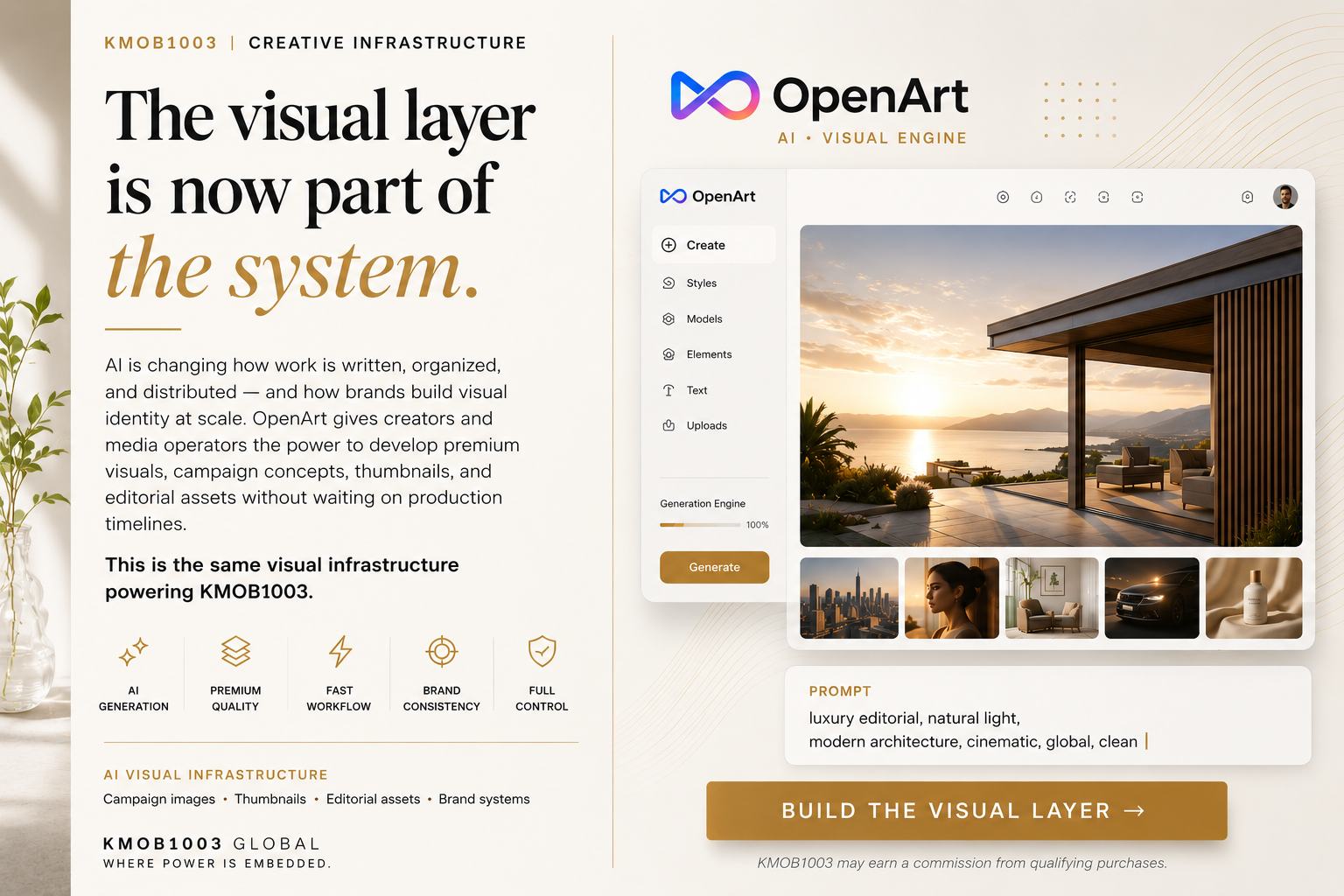
OpenArt gives operators the visual infrastructure to generate at the speed the editorial calendar requires — without surrendering the curation layer that makes every image worth publishing. The tool handles production. The operator brings the taste.
Curation Layer
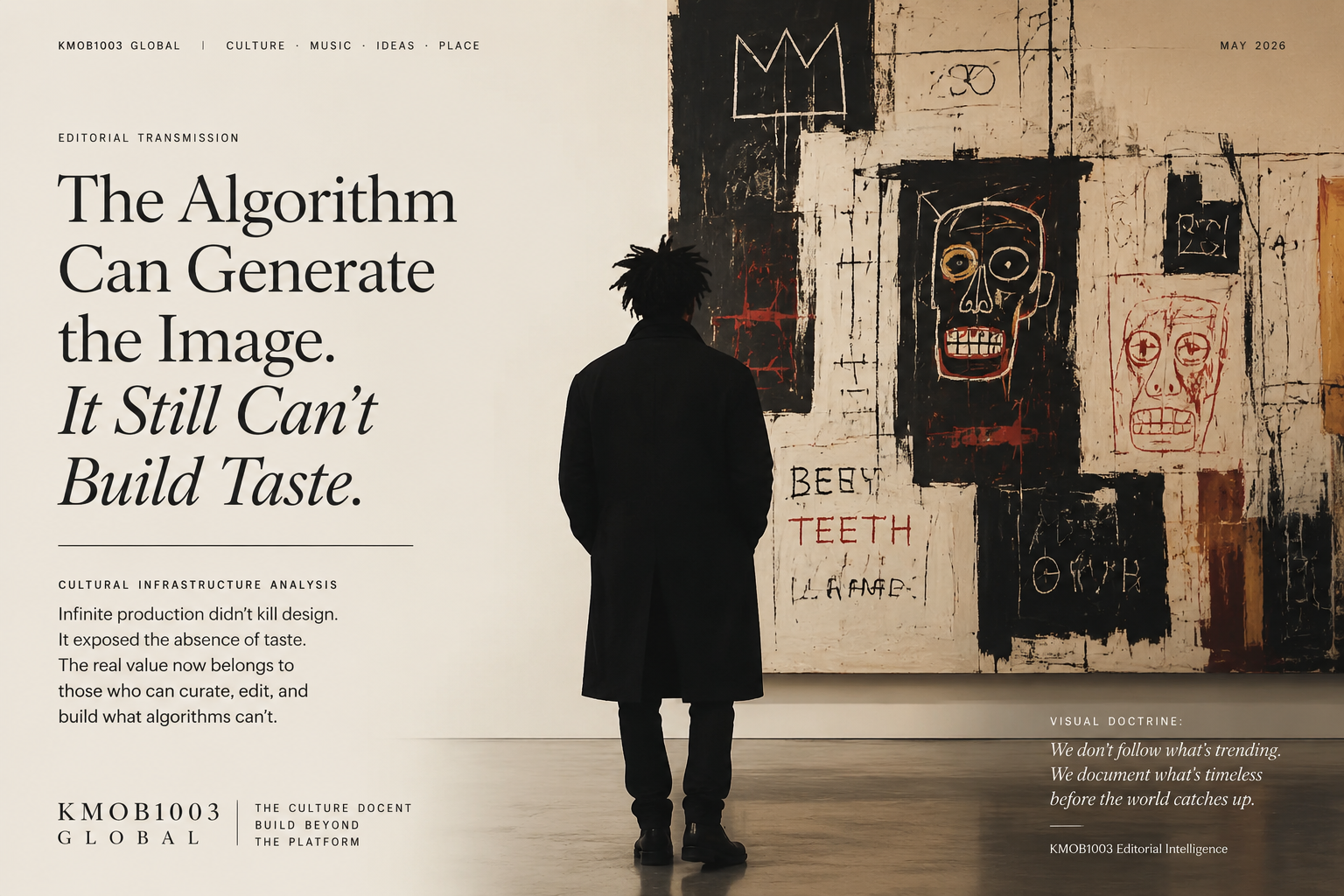
Taste is not aesthetic preference. It is the accumulated result of cultural exposure and the willingness to make a decision before the consensus forms. The curator who recognised Basquiat in 1981 had taste. The gallery that waited for the auction record had hindsight. Hindsight scales. Taste does not. Every operator with access to an AI image tool can generate a Basquiat-influenced visual in seconds. No tool generates the intelligence that knew it mattered first.
What this produces in the visual economy is a bifurcation. On one side: technically excellent content with no discernible editorial point of view, produced at volume, rewarded briefly by the algorithm. On the other: editorially specific work that carries cultural context, emotional register, and the mark of a real decision. Audiences learn quickly which is which. They may not name it — but they feel the flatness on one side and the weight on the other. That difference is what brands, publications, and operators now compete on. The production gap closed. The taste gap widened.
The model learned from every image ever made. It still cannot tell you which one was worth making.
When the production floor goes to zero, the taste gap becomes the only gap worth having. The operator who built cultural literacy before the tools arrived holds an advantage the tools cannot close.
Operator Intelligence Layer
See What the Industry Missed.
The visual trends that compound were moving before the platforms named them. Genspark gives operators the research infrastructure to understand where visual culture is going — before the algorithm optimizes for what already arrived.

Ownership Layer
The publications and brands that are building durable visual identity in 2026 are not the ones generating the most images. They are the ones generating the right ones — the images that have a reason to exist beyond filling a calendar slot. The editorial idea precedes the prompt. The cultural context is established before the tool is opened. The image that emerges serves a decision that was already made — and the audience, even without naming it, can feel the difference between an image that was decided on and one that was simply produced.
This is why the visual doctrine matters as much as the editorial one. KMOB1003’s image language — the palette, the representation standards, the composition logic — exists not because it looks good but because it means something consistent. Every image published here is a signal about what this publication sees and values. The tools accelerate that signal. They do not replace the decision that the signal is worth sending.
The Signal Breakdown
The Shift
Production went to zero. The variable that now determines visual authority is not the image — it is the editorial judgment behind the image. Taste is the scarcity.
The Tool
AI image infrastructure eliminates production friction. It does not supply cultural context, emotional intelligence, or editorial point of view. The operator brings those. The tool executes them.
The Advantage
The operator with accumulated taste and access to AI production infrastructure holds both layers. That combination widens as the tool becomes more accessible and the editorial judgment becomes rarer.
The algorithm can generate the image. It still can’t build taste.

The cultural intelligence behind the image. Build the knowledge layer that no prompt can supply.
Some links in this article are affiliate links. KMOB1003 may earn a commission from qualifying purchases at no additional cost to you. All affiliate partnerships are editorially independent.
