
KMOB1003 Global Protection Partner
KMOB1003 Global · The Culture Docent
A Partner Shares Upside. A Platform Controls Access. Know the Difference Before You Build.
Most people treat platforms like partners. They are not. A partner negotiates with you. A platform sets the terms — and changes them whenever the business model requires it. The distinction is not semantic. It is structural. And it determines everything about what you actually own at the end of your growth.
Reach is rented. Monetization is permitted. Visibility is conditional. Every creator and operator who has built on a platform they do not own has built on land controlled by someone else — and the landlord reserves the right to raise the rent, restrict access, or terminate the lease without notice. That is not a partnership. That is tenancy.
Questions This Article Answers
What is the difference between a platform and a partner? Why do creators lose control even after building large audiences? How do platforms limit monetization without telling you? What does it mean to build on owned infrastructure? How do operators use platforms without becoming dependent on them?
The platform relationship feels like partnership because the early terms are generous. Instagram gives you reach for free. TikTok surfaces your content to audiences you could not afford to buy. YouTube monetizes your library. Spotify distributes your music globally. The platform is doing the work, and the work appears to cost you nothing. That is the design. The cost comes later — when you have built enough on the platform that leaving becomes expensive, and the platform knows it.
“The platform is generous in the beginning because generosity is the acquisition cost. The rent comes after you have built something you cannot afford to move.”
— KMOB1003 Operator Intelligence · 2026
Platform Control Architecture · Key Signals
Of platform algorithm changes require creator consent
Of audience data belongs to the platform — not the creator
Compensation paid when platform changes eliminate creator reach
Sources: Platform terms of service · KMOB1003 Operator Intelligence · 2026
Platform Layer
The platform landlord model operates in three phases. In the first phase, the platform offers favorable terms — free distribution, algorithmic amplification, monetization access — to attract creators and build supply. In the second phase, once the creator has built an audience on the platform, the terms shift. Reach becomes pay-to-play. Monetization gets restructured. Algorithm changes reduce organic visibility. The creator’s exit cost has risen because their audience is now on the platform — not with them.
In the third phase, the platform owns the relationship. The creator can produce content, but the platform controls distribution, monetization eligibility, discoverability, and account status. The creator contributes the labor. The platform captures the compounding value. The platform owns the relationship you think you built. This is not a partnership structure. It is an employment structure without the employment protections — and without the salary.
The mechanism that makes this work is dependency. The platform does not need to force creators to stay. It simply makes leaving expensive enough that most will not. An Instagram account with 500,000 followers cannot easily transfer those followers to a different platform. A YouTube channel with ten years of archived content cannot easily move that library. The audience and the archive are on the platform. The creator is a tenant who has renovated the apartment — and the landlord owns the renovation.
Every audience you build on a platform you do not own is an audience the platform controls. Build the audience. Then move it — to email, to owned platforms, to direct relationships the platform cannot terminate.
Operator Intelligence Layer
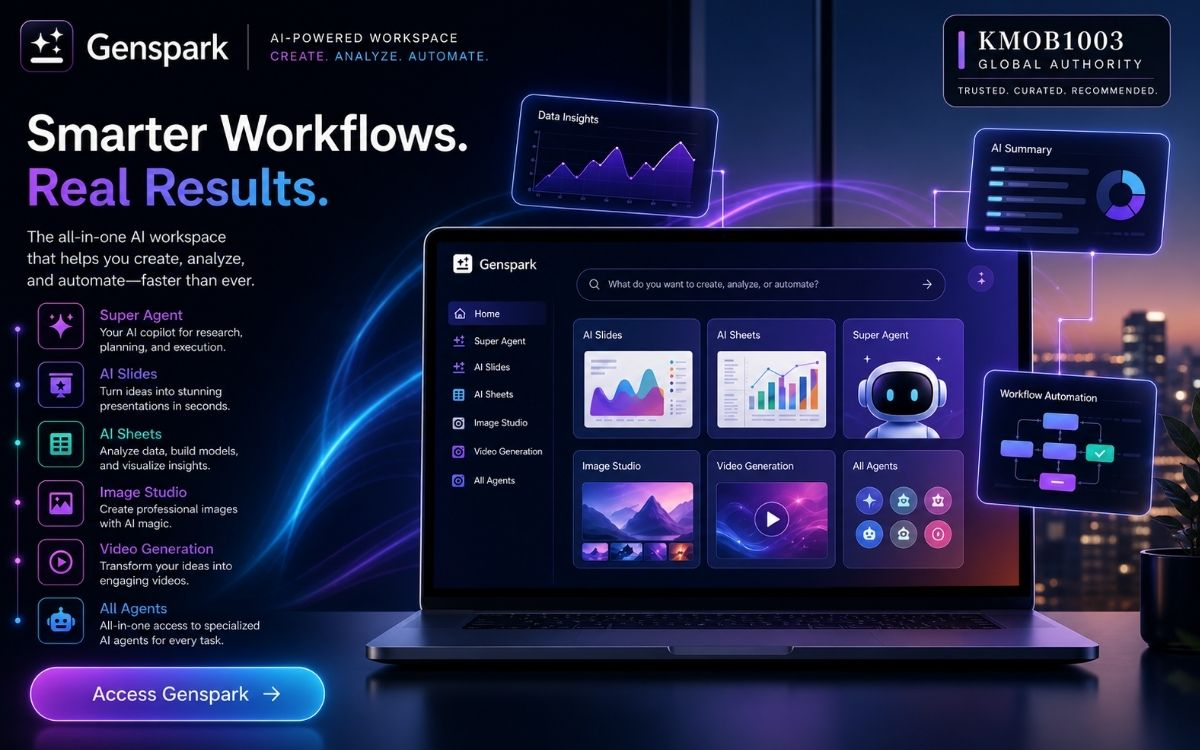
Genspark
Understanding platform architecture before you build on it is the move. Genspark gives you the research and intelligence infrastructure to map the systems you are operating inside — before the terms change.
KMOB1003 may earn a commission from qualifying purchases.
Infrastructure Layer
The operator does not avoid platforms. The operator uses platforms as the discovery layer they are designed to be — and builds the ownership layer in parallel. Every piece of content published on a platform is an entry point. The entry point leads somewhere the platform does not control. Email. Owned website. Direct purchase. Community. The platform generates the discovery. The owned infrastructure captures the relationship.
This requires a structural decision made early — before the platform audience grows large enough that the creator mistakes rented reach for owned infrastructure. The decision is not about abandoning platforms. It is about treating them correctly. A platform is a distribution channel. It is not a business. A business requires infrastructure you own, relationships you control, and revenue that does not require platform permission to access.
KMOB1003 has operated from this framework from its first day. TikTok, Instagram, and Facebook are discovery layers. The radio network, the editorial platform, the email architecture, the affiliate ecosystem — that is the infrastructure. The platforms surface the audience. The owned infrastructure captures the relationship and generates compounding value that no platform algorithm change can eliminate.
Stop building on land you do not control. Use the platform for discovery. Build the infrastructure for ownership.
Platforms are not your business. They are your marketing channel. Treat them that way — use them for reach, route the relationship to infrastructure you own, and build revenue that does not require their permission.
Operator Execution · The Move
01 — Capture immediately
Every platform interaction routes to an owned destination. Email opt-in. Direct platform. Owned community.
02 — Build email as primary asset
The email list is the only audience relationship the platform cannot intermediate, restrict, or terminate.
03 — Deploy monetization outside the platform
Direct sales. Affiliate revenue. Sponsorships negotiated directly. Revenue that does not require algorithmic permission.
04 — Treat every platform as temporary
The platform terms will change. Build as if they will change tomorrow. The owned infrastructure is permanent. The platform is not.
05 — Reduce dependency every quarter
Measure what percentage of revenue requires platform permission. Drive that number toward zero. That is the only metric that matters.
06 — Publish owned intellectual property
A book. A report. A framework. Content that carries your name regardless of which platform surfaces it — and generates compounding value you control.
Ownership Active
Owned infrastructure takes several forms — and building it is the move every platform-dependent creator is one algorithm change away from wishing they had made sooner. (Read: Talent Is Not the Asset. The Structure Is.) An email list is owned infrastructure — the platform cannot deactivate it, restrict its reach, or change its monetization terms. A published book is owned infrastructure — it carries the author’s name, it generates royalties regardless of which platform sells it, and it compounds in value over time. A website on owned hosting is owned infrastructure — it cannot be deplatformed, shadowbanned, or algorithmically suppressed.
The operator builds these assets in parallel with platform presence — not instead of it. The goal is not to avoid platforms. The goal is to ensure that when the platform changes its terms — and it will — the operator’s business does not depend on those terms remaining favorable. The owned infrastructure is the foundation. The platform is the acquisition channel that fills it.
If your business depends on platform permission, it is not a business. It is a tenancy. Build the infrastructure that makes your business platform-independent — and use every platform to fill it.
Publishing Infrastructure
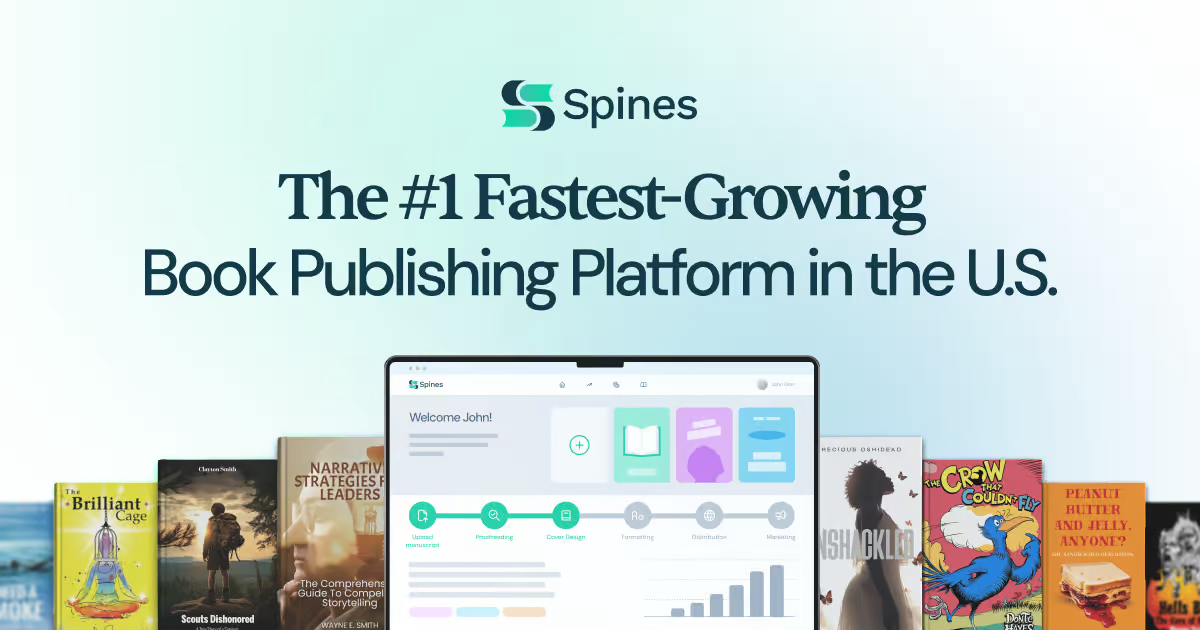
A Published Book Is Infrastructure No Platform Can Deplatform.
Spines publishes in weeks. You retain full copyright. The book carries your name globally, generates compounding value, and exists entirely outside the platform landlord model.
KMOB1003 may earn a commission from qualifying purchases.
The Signal Breakdown
The Problem
Creators build audiences on platforms they do not own. When the platform changes its terms, the audience stays on the platform — and the creator starts over.
Why It Happens
Platform business models are designed to maximize dependency. Early generosity creates switching costs. By the time terms change, leaving is expensive enough that most do not.
What Operators Build
Email lists. Owned websites. Published books. Direct revenue streams. Infrastructure that exists outside the platform — and cannot be deplatformed, restricted, or algorithmically suppressed.
If your business depends on permission, it is not a business. It is a tenancy.
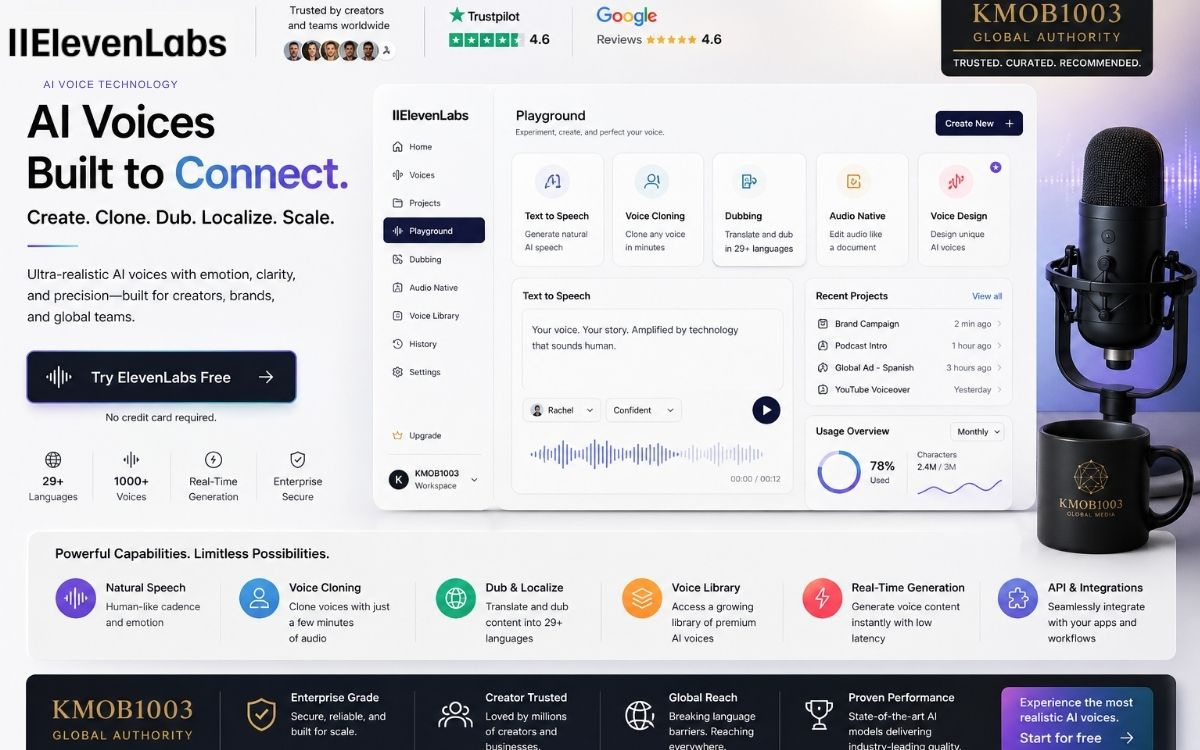
Your voice. Deployed at scale. ElevenLabs turns spoken content into professional audio — podcasts, narration, and radio-ready production.
KMOB1003 may earn a commission from qualifying purchases.
