
KMOB1003 Global Travel Partner
Champions move globally. Stay where performance meets precision.
KMOB1003 Global Intelligence | Narrative Stewardship
The U.S. Women’s Hockey Team and the Architecture of Recognition
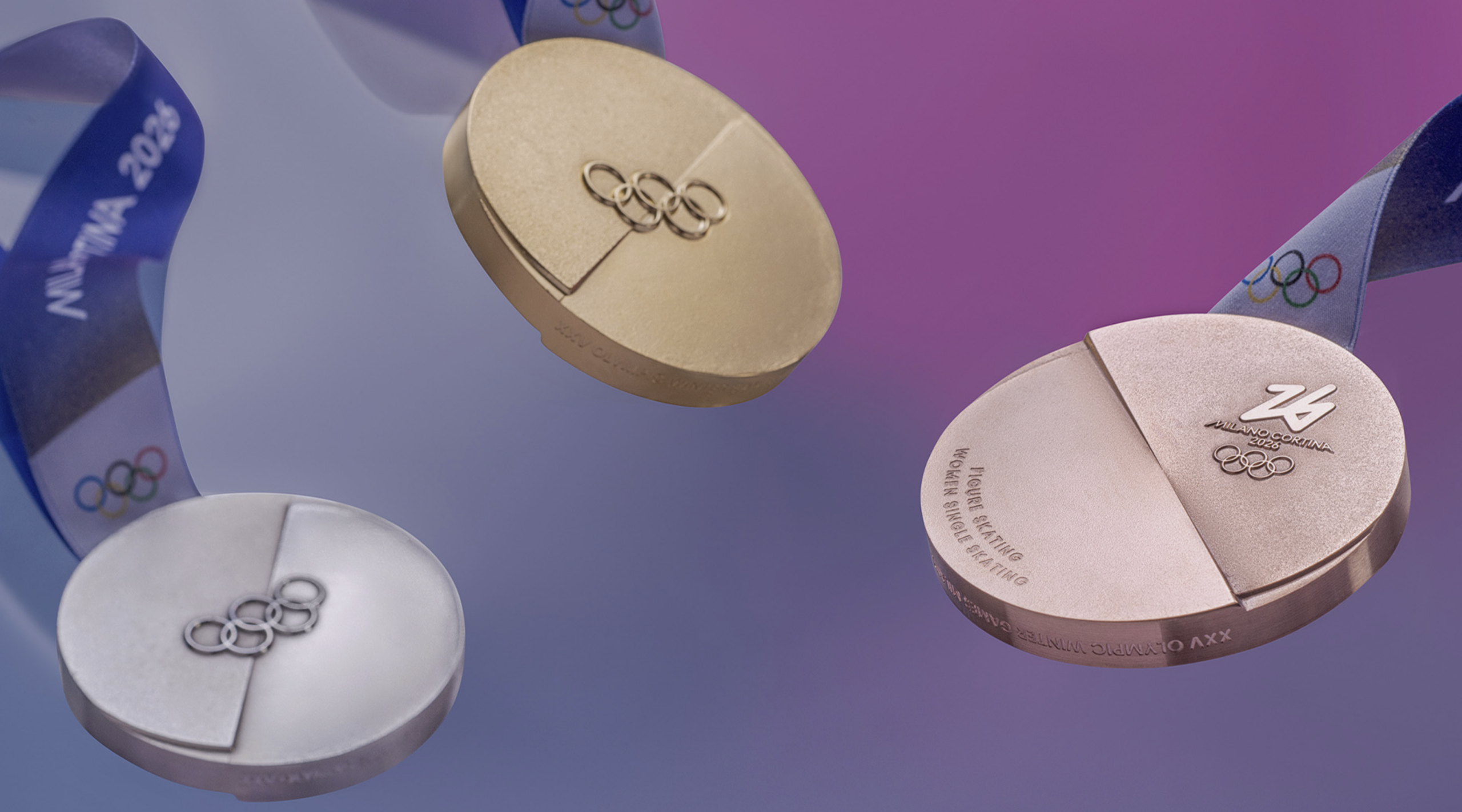
On February 19, 2026, the U.S. Women’s Hockey Team defeated Canada 2–1 in overtime to secure Olympic gold in Milan.
It was not symbolic. It was not ceremonial. It was earned.
Captain Hilary Knight closed her Olympic career as the most decorated scorer in U.S. hockey history — 15 Olympic goals, 33 points, five Games, generational dominance. For 72 hours, it was a victory. Then it became a mirror.
The Moment That Shifted the Frame
During a congratulatory call to the men’s team — who had just won their first gold in 46 years — the President joked that he would “have to invite the women too” or risk impeachment.
The room laughed. The women were not on the call.
What appeared to some as humor revealed something structural: Recognition was being sequenced. Framed. Negotiated. And that framing matters.

Recognition Is Infrastructure
Celebration is not a feeling. It is a design system. Who receives the first call. Who is addressed directly. Who is mentioned second. Who is prioritized logistically. These are not small gestures. They are architectural decisions.
Both teams won gold. But the institutional red carpet was not rolled out symmetrically.
- The men received a same-day video call in the locker room. The women were referenced days later.
- The men were offered chartered White House transportation. The women were offered a military aircraft with less than 48 hours to adjust professional and academic obligations.
- The men returned with coordinated support. The women traveled commercially, handling their own check-in and logistics.
None of this diminishes the gold medal. But it calibrates the message.
The Power of Refusal
When Hilary Knight described the invitation as “distasteful,” she was not escalating conflict. She was clarifying standard. By declining the invitation, the team drew a boundary.
Elite athletes are not decorative symbols. They are not strategic shields. They are not afterthoughts appended to avoid controversy. They are champions.
And champions understand when their labor — their blood, their sacrifice, their generational discipline — is being repositioned as optics. The refusal was not emotional. It was sovereign.
Blood and Sweat Are Not Political Currency
Knight emphasized that sport should not be used as a political gimmick. That sentence carries weight.
Athletes train for decades for a single moment. They compress years of injury, discipline, and pressure into sixty minutes of execution. To treat that achievement as a conversational add-on is to misunderstand its gravity. Gold is not leverage. It is legacy.
The Structural Question
This is not about rivalry between teams. Both programs represent excellence. This is about institutional choreography.
If two teams reach identical summits, the choreography of recognition should reflect parity of regard. Sequencing communicates value. Tone communicates hierarchy. Logistics communicate priority. And priority is culture made visible.
KMOB1003 Final Word
The U.S. Women’s Hockey Team has medaled in every Olympic cycle since 1998. Their consistency is not an anomaly. It is infrastructure.
They won gold on the ice. What followed revealed how respect is still staged — how institutions sometimes struggle to honor excellence without reframing it through liability, humor, or optics.
The question is no longer whether women can win. They already have. The question is whether our systems are refined enough to celebrate victory without treating it as a secondary calculation.
Gold is performance. Respect is design. And design reveals everything.
